Crystal River Mounds, Florida
Where for 1,600 years, coastal peoples honored their dead and traded with distant lands
Understand sacred places, explore living traditions, and learn how to engage respectfully with Pilgrim Map.
Access has not been verified. Check current local guidance before planning a visit.
Crystal River, Florida, United States
Read the sources
Visit essentials
A quick read before you go
- Duration
- One to two hours for a complete visit including museum and walking trail.
- Etiquette
- Standard archaeological site etiquette applies.
Overview
Crystal River holds one of the longest-used sacred landscapes in North America. For approximately 1,600 years, from around 500 BCE to 1400 CE, successive cultures transformed this place at the edge of salt marsh and spring-fed river into a ceremonial complex of burial mounds, temple platforms, and carved stone monuments. At its peak, an estimated 7,500 people traveled here annually, some from hundreds of miles distant, to honor the dead and participate in rituals we can only glimpse through archaeology.
The site reveals itself in layers. A conical burial mound holds the remains of 1,200 to 1,500 individuals, interred over centuries with grave goods that testify to far-flung connections: copper from the Ohio River Valley and Lake Superior, mica sheets from the Appalachian Mountains, grizzly bear teeth from the distant west. A platform mound, partially destroyed in the twentieth century but still impressive, once supported wooden structures where priests or chiefs conducted ceremonies visible across the landscape.
And standing apart from anything else in the region, limestone stelae rise from the earth, one carved with a human face featuring flowing hair, dating to around 440 CE.
The people who built Crystal River left no written records. No contemporary Indigenous communities claim direct descent from them. The Seminole and Miccosukee peoples of Florida arrived centuries after the site was abandoned, their ancestors Creek migrants who came in the eighteenth century. What remains is the evidence of sustained devotion: generation after generation returning to this place to build, to bury, to trade sacred materials across a continent.
The mystery of Crystal River is not what happened here, but why it stopped. Around 1400 CE, for reasons unknown, the gatherings ceased. The mounds remained, holding their dead, waiting to be rediscovered.
Why this place is sacred
What makes a place thin? At Crystal River, the answer lies in duration and devotion. From the first burials in the Deptford period, around 500 BCE, to the final abandonment around 1400 CE, people returned to this ground again and again to perform the same essential acts: honoring the dead, trading sacred materials, gathering in ceremony. Each burial, each offering of copper or shell, each basket of earth added to the platform mounds accumulated intention.
By the time the gatherings ended, the site had absorbed sixteen centuries of focused human purpose.
The burial mound holds between 1,200 and 1,500 individuals. This is not simply a cemetery but a place where community formed through relationship with ancestors. The dead were not abandoned but equipped for journeys. Copper ornaments, shell jewelry, soapstone pipes, quartz crystals accompanied them. For the Hopewell peoples who participated in these networks, copper was understood as a living thing with its own spirit, given ceremonial burial like a person.
This understanding of matter as animate, of offerings as alive, saturated the site with spiritual significance.
The limestone stelae add another dimension. Found nowhere else in the Southeast north of Mexico, these carved monuments suggest connections to Mesoamerican traditions, though scholars debate whether the similarity reflects direct influence or parallel development. The stela carved with a human face, its hair rendered in long flowing lines, has gazed across the site for sixteen centuries. What it represents remains uncertain.
What is certain is that someone, around 440 CE, considered it important enough to carve from limestone and erect here. That intention persists.
Crystal River's thinness is also a function of its location. The site sits where freshwater springs meet the brackish waters of the Gulf Coast, a threshold between worlds. This liminal quality, combined with the weight of accumulated ritual, creates a place where the veil between present and past feels permeable.
Crystal River functioned as a ceremonial center where the living maintained relationships with the dead and with distant communities across eastern North America. Archaeological evidence suggests the site was not a large permanent settlement but a gathering place where people assembled periodically for burial rituals, trade, and communal feasting.
During the Swift Creek period, from approximately 200 BCE to 650 CE, Crystal River reached its peak as a ceremonial complex. People traveled from the Ohio Valley, the Great Lakes region, and the Appalachian Mountains to participate in activities centered on the dead. The burial mound received interments accompanied by exotic grave goods, items brought from hundreds of miles distant as offerings. The temple mounds provided elevated platforms for ceremonies conducted by religious leaders.
Recent research from the Florida Museum of Natural History suggests that communal feasting was integral to gatherings, with evidence of feasts featuring deer, alligator, sharks, and dozens of other foods.
The deposition of copper, mica, quartz crystal, and other sacred materials was not merely economic exchange but spiritual practice. Within the Hopewell worldview, these materials carried inherent power. Placing them with the dead ensured the deceased had what they needed for their journey while simultaneously maintaining the relationships, both human and spiritual, that gave the community its coherence.
Crystal River was occupied for approximately 1,600 years, with distinct cultural phases. The Deptford period (800 BCE to 200 CE) saw initial settlement and the earliest burials. The Swift Creek period (200 BCE to 800 CE) brought the site to its peak as a ceremonial center connected to the Hopewell Interaction Sphere. During this time, the burial mound expanded, the temple mounds grew, and the stelae were erected around 440 CE.
The Weeden Island period (200 to 900 CE) continued mound construction, and a platform mound (Mound A) was built after 600 CE.
Around the eighth or ninth century, ceremonial activity began shifting to Roberts Island, a nearby complex that succeeded Crystal River as the region's primary sacred center. Roberts Island itself was abandoned by approximately 1050 CE. Crystal River saw continued but declining use until final abandonment around 1400 CE. The reasons remain unknown. Climate change, shifting trade networks, population movement, social transformation, any or all may have contributed.
The site was rediscovered by Euro-Americans in the late nineteenth century. Clarence B. Moore, an amateur archaeologist who traveled Florida's rivers aboard his steamboat Gopher, excavated Crystal River in 1903, 1906, and 1917, removing thousands of artifacts. In 1960, much of the temple mound was destroyed by a landowner who used the earth for road fill. The site became a Florida State Park in 1962 and was designated a National Historic Landmark in 1990.
Experience and orientation
The drive to Crystal River passes through the central Gulf Coast of Florida, a landscape of pine flatwoods, spring-fed rivers, and coastal marshland. The archaeological site lies just north of the town of Crystal River, tucked between the river and modern development. The transition from commercial Florida to ancient sacred ground happens quickly.
The visitor center and museum provide essential context before you encounter the mounds themselves. Exhibits display artifacts recovered from the site, reproductions of the stelae (the originals are protected in a separate shelter), and interpretive panels explaining what is known about the cultures that built Crystal River. The museum is small but informative, requiring thirty to sixty minutes to absorb.
Outside, a half-mile paved loop trail winds past each of the six mounds. The burial mound, where 1,200 to 1,500 individuals lie, rises gently from the Florida terrain. Standing here, you are in the presence of the dead, their graves marked by subtle rises in the earth. The shell midden mounds, accumulated over centuries of feasting, tell a different story: the rhythms of gathering, cooking, eating, discarding. The platform mound, Mound A, dominates the site.
Though diminished by twentieth-century destruction, it still rises substantially above the surroundings. A fifty-one-step observation deck allows visitors to climb to a viewing platform, seeing the landscape as those who conducted ceremonies atop the mound once did.
The stelae shelter preserves the carved monuments that make Crystal River unique. The face on one stela, weathered but recognizable, gazes with an expression that resists interpretation. Is it a deity? An ancestor? A commemoration of someone significant? The stone does not say. What it offers is presence, an artifact of intention from 440 CE.
The site overlooks the Crystal River itself, a spring-fed waterway known today for manatee habitat. The water connection was likely significant to the original builders, the river serving as both transportation route and symbolic threshold. Walking the trail in the subtropical quiet, with occasional calls of herons and the rustle of palm fronds, visitors often report a sense of entering a different temporal register, where the pace slows and the weight of centuries becomes felt.
Plan for one to two hours for the museum and walking trail. The museum requires thirty to sixty minutes. The half-mile trail is paved and accessible. The fifty-one-step climb to the observation deck is optional but recommended for understanding the site's layout. Moon Over the Mounds nighttime tours offer a different experience; check the park calendar for schedules. Bring water and sun protection. Florida's subtropical climate is warm to hot year-round, with significant humidity. Mosquito repellent is advisable.
Context and lineage
No origin narrative survives for Crystal River. The builders left no written records, and no oral traditions have been passed down through contemporary communities. What archaeology reveals is a place that emerged gradually as sacred, with each generation adding to what previous generations had built.
The broader context suggests beliefs shared across the Hopewell world. The deposition of copper, understood as a living material with its own spirit, implies an animate cosmos where the boundary between living and non-living was porous.
The circumpunct symbol, a circle with a central dot, appears in Hopewell contexts and is known to represent stars in various Native American traditions, reflecting beliefs that the souls of the dead resided in the sky and that falling stars represented souls returning to earth. The careful burial practices at Crystal River suggest similar beliefs: the dead journeyed to another realm, and the living had responsibilities to equip them for the passage.
The stelae remain the site's deepest mystery. Found nowhere else in the Southeast north of Mexico, they evoke Mesoamerican traditions where carved monuments commemorated rulers, marked time, and were believed to be alive with spiritual essence. Whether direct influence connected Crystal River to Maya practice, or whether parallel developments led to similar expressions, remains unresolved. What is clear is that someone at Crystal River, around 440 CE, believed carved stone monuments belonged here.
No contemporary Indigenous peoples claim direct descent from the Crystal River builders. The cultures that created the site had disappeared by approximately 1400 CE, more than three centuries before European colonizers arrived in Florida. The Seminole and Miccosukee peoples of Florida today are descended from Creek migrants who came to Florida in the eighteenth century, long after Crystal River was abandoned.
This creates a distinctive quality: the site is heritage without living heirs, a sacred landscape whose traditions have been lost. What remains is the evidence of sustained devotion and the questions that evidence raises.
The Builders
Successive peoples of the Deptford, Swift Creek, and Weeden Island cultures who built and maintained the ceremonial complex over 1,600 years. No descendant communities claim direct connection.
Clarence B. Moore
Amateur archaeologist who conducted the first excavations at Crystal River in 1903, 1906, and 1917, traveling Florida's rivers aboard his steamboat Gopher. He removed thousands of artifacts, many now held by museums across the country.
Traditions and practice
Archaeological evidence reveals a ceremonial complex centered on honoring the dead and maintaining relationships with distant communities. The burial mound received interments over centuries, each accompanied by grave goods that reflected the deceased's status and the community's connections. Copper ornaments, shell beads, soapstone pipes, mica sheets, and quartz crystals were placed with the dead, items that had traveled hundreds of miles before arriving at Crystal River.
Commmal feasting accompanied gatherings. Research from the Florida Museum of Natural History documents evidence of feasts featuring deer, alligator, various fish, and shellfish. These were not merely meals but ritual occasions, where eating together reinforced community bonds and marked the significance of the gathering.
The temple mound (Mound A) provided an elevated platform for ceremonies conducted by religious leaders. Wooden structures likely stood atop the flat summit, visible across the site. From this height, priests or chiefs could address gathered crowds in the plaza below. The mound served the same ceremonial function that stepped pyramids served in Mesoamerica, though built of earth rather than stone.
The stelae may have marked astronomical events, commemorated important persons, or served functions we cannot now determine. Their erection around 440 CE represents a significant investment of labor and intention, suggesting ceremonial importance even if the specific meaning has been lost.
No active ceremonial practices occur at Crystal River today. The cultures that built the site had disappeared by approximately 1400 CE. No contemporary Indigenous peoples claim direct descent from or ceremonial connection to the builders. The site is managed by Florida State Parks for archaeological preservation and public education.
Visitors cannot participate in ceremonies at Crystal River because there are no living traditions to participate in. What the site offers is contemplative engagement with deep time. Walk the trail slowly. Stand at the burial mound and acknowledge the 1,200 to 1,500 individuals who rest here. Climb the observation deck and look across the landscape as priests once did. Spend time with the carved stela, meeting its weathered gaze.
Consider what brought people here for sixteen centuries. Consider the journeys that carried copper from Lake Superior, mica from the Appalachians, soapstone from the southern mountains. Consider the ceremonies conducted, the dead honored, the community sustained through these gatherings. The site invites meditation on what endures: the mounds remain, the face carved in stone still gazes, the river still flows to the Gulf.
Deptford Culture
HistoricalThe Deptford culture (800 BCE to 200 CE) represents the earliest phase of occupation at Crystal River. These coastal hunter-gatherer-fisher peoples established the foundations of what would become a major ceremonial center, initiating the burial practices that would continue for over a millennium.
Coastal subsistence including fishing, shellfish gathering, and hunting. Development of distinctive check-stamped pottery. Initial burial mound construction. Seasonal or semi-permanent settlement patterns along Florida's Gulf Coast.
Swift Creek and Hopewell Connection
HistoricalDuring the Swift Creek period (200 BCE to 800 CE), Crystal River emerged as a major ceremonial and trading center connected to the Hopewell Interaction Sphere. This vast network linked peoples from the Great Lakes to the Gulf Coast through shared ceremonies and exchange of sacred materials. Crystal River was the southernmost site with significant Hopewell artifacts, demonstrating its integration into continental-scale relationships.
Elaborate burial rituals with exotic grave goods including copper ornaments, mica sheets, soapstone pipes, shell jewelry, and quartz crystals. Construction of platform mounds for ceremonial purposes. Communal feasting with deer, alligator, fish, and other foods. Erection of limestone stelae around 440 CE. Possible astronomical observations.
Weeden Island Culture
HistoricalThe Weeden Island culture (200 to 900 CE) continued and developed the ceremonial traditions at Crystal River. During this period, the platform mound (Mound A) was built after 600 CE, representing a shift toward larger, more imposing ceremonial architecture.
Construction of flat-topped platform mounds for residence of elites and ceremonial purposes. Building of wooden structures atop mounds. Use of ramps and causeways connecting mounds to burial areas and plazas. Continued burial rituals and communal gatherings.
Stelae Tradition
HistoricalCrystal River contains the only known stelae in the southeastern United States north of Mexico. Dating to approximately 440 CE, these limestone monuments, including one carved with a human face, represent a unique cultural expression. Their presence has sparked debate about possible connections to Mesoamerican traditions, though direct influence is generally considered unlikely.
Erection of limestone stelae for commemorative or ceremonial purposes. Possible use as solar calendar markers to track seasons. The stelae may have been considered sacred, invested with spiritual essence similar to Maya beliefs where carved monuments were understood as almost living beings.
Perspectives and open questions
Crystal River invites interpretation as burial ground, trading center, astronomical observatory, and cultural crossroads. What unifies these perspectives is recognition that something sustained drew people here for sixteen centuries, creating a sacred landscape that outlasted the cultures that built it.
Scholarly perspective
The scholarly consensus recognizes Crystal River as one of the most significant pre-Columbian ceremonial sites in Florida and the southeastern United States. The site demonstrates continuous occupation for approximately 1,600 years and participation in the Hopewell Interaction Sphere, the vast network of trade and ceremony that connected peoples from the Great Lakes to the Gulf Coast during the first millennium CE.
Crystal River's role as the southernmost site with significant Hopewell artifacts underscores its importance. Copper from the Ohio Valley and Lake Superior, mica from the Appalachians, and other exotic materials found in burials demonstrate that this was not a provincial outpost but an integrated node in continental-scale networks.
The stelae remain the site's most distinctive feature. Found nowhere else in the Southeast north of Mexico, they have sparked debate about possible Mesoamerican connections. Some scholars see direct influence, noting parallels with Maya traditions of erecting carved stone monuments. Others consider this unfounded, arguing that parallel development explains the similarity. The scholarly consensus remains cautious: the stelae are remarkable on their own terms without requiring direct Mesoamerican influence, though the question remains open.
Recent research has emphasized the site's role as a periodic gathering place rather than a large permanent settlement. People assembled here seasonally for burial rituals, trade, and communal feasting, then dispersed to their home territories.
Living and traditional perspectives
No contemporary Indigenous peoples claim direct descent from the Crystal River builders. The cultures that created the site had disappeared by approximately 1400 CE, more than three centuries before the Creek peoples who would become the Seminole arrived in Florida. This distinguishes Crystal River from sites where living traditions provide interpretive continuity.
However, broader Indigenous perspectives inform how we might understand the site. The Hopewell treatment of copper as a living thing with its own spirit, the burial practices that equipped the dead for journeys to other realms, the construction of mounds to focus spiritual power: these patterns appear across Indigenous traditions throughout the Americas.
The specific beliefs of the Crystal River builders cannot be recovered, but the general framework suggests an animate cosmos where humans had responsibilities to maintain relationships with the dead, with sacred materials, and with the landscape itself.
Contemporary Indigenous perspectives emphasize the importance of preserving such sites as sacred ancestral ground. Even where direct descent cannot be claimed, these places preserve ancient stories and deserve reverence.
Alternative interpretations
Crystal River has attracted attention from those interested in possible connections between Mesoamerican civilizations and North American cultures. The stelae, unique in the region, have prompted speculation about Maya traders reaching Florida, shared religious influences, or even earlier cultural contacts. Popular accounts sometimes emphasize mystery over evidence.
The scholarly response is that Crystal River is remarkable on its own terms without requiring extraordinary explanations. The site's participation in the Hopewell Interaction Sphere demonstrates that pre-Columbian peoples maintained extensive networks of trade and cultural exchange. The stelae may represent parallel development, local innovation, or indirect influence through intermediary cultures. The achievement is human, documented, and impressive without positing lost civilizations or mysterious contacts.
Open questions
Significant mysteries remain at Crystal River. Why was the site abandoned around 1400 CE? What specific ceremonies were conducted atop the platform mounds? What is the exact meaning and purpose of the stelae? Were astronomical alignments intentional, and if so, what did they signify? What languages did the builders speak, and what names did they give this place? Why did ceremonial activity shift to Roberts Island in the ninth century, and why did both sites eventually fall silent?
These questions remain open, inviting continued research and contemplation.
Plan your visit
Access and arrival
Crystal River and the nearby town of Homosassa offer numerous hotels, motels, and vacation rentals. The area is known for manatee eco-tourism, with swimming and kayaking opportunities. Camping is available at nearby Crystal River Preserve State Park.
Respectful visit
Comfortable outdoor attire suitable for Florida's subtropical climate. Summers are hot and humid; light, breathable clothing is recommended. Sturdy walking shoes are appropriate for the paved trail. Sun protection and mosquito repellent are advisable year-round.
Photography is permitted throughout the site. The observation deck on Mound A provides panoramic views. Morning and late afternoon light offer the best conditions. Photograph respectfully, particularly near the burial mound.
Not applicable. Do not leave items at the site. Unlike active sacred sites, Crystal River does not have living traditions that include offerings.
{"Stay on designated paths and trails","Do not climb on mounds except via the designated Temple Mound observation deck stairway","Do not dig, probe, or disturb the earthworks","Do not collect or remove any artifacts","Dogs must be on six-foot leash and are not permitted in the museum","No swimming in the Crystal River from the park"}
Crystal River is an archaeological site without active sacred traditions. The contemplative engagement it offers is historical and imaginative, not ceremonial. Treat the burial mound with particular reverence as a place where the dead rest.
Current practical details
Address
3400 N Museum Point, Crystal River, FL 34429, USA
Phone
Hours
Hours, fees, and access can change — verify on the official source before you travel. Practical details last checked Jun 2026.
Location
Map loads as you approach this section.
Pilgrim reflections
A portrait of encounter, not a score
Pilgrims describe what they felt, how present they could become, and whether the place would shape a journey. There are no stars and no ranking of traditions.
No reviewed reflections yet
The first pilgrims can help describe the character of being here.
Share a reflection
Available after an account-backed “Been there.” Every reflection is reviewed before publication.
Nearby sacred places
Explore other sacred places in the region. Proximity does not establish access or travel time; check each place’s guidance.
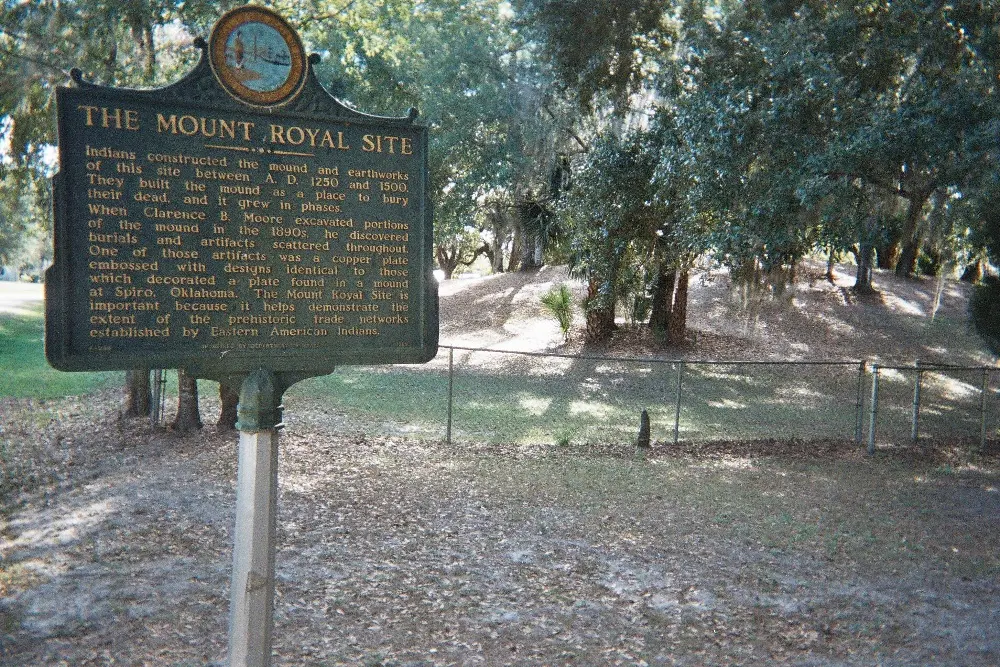
Mount Royal Mound, Florida
Welaka, Florida, United States
110.8 km away
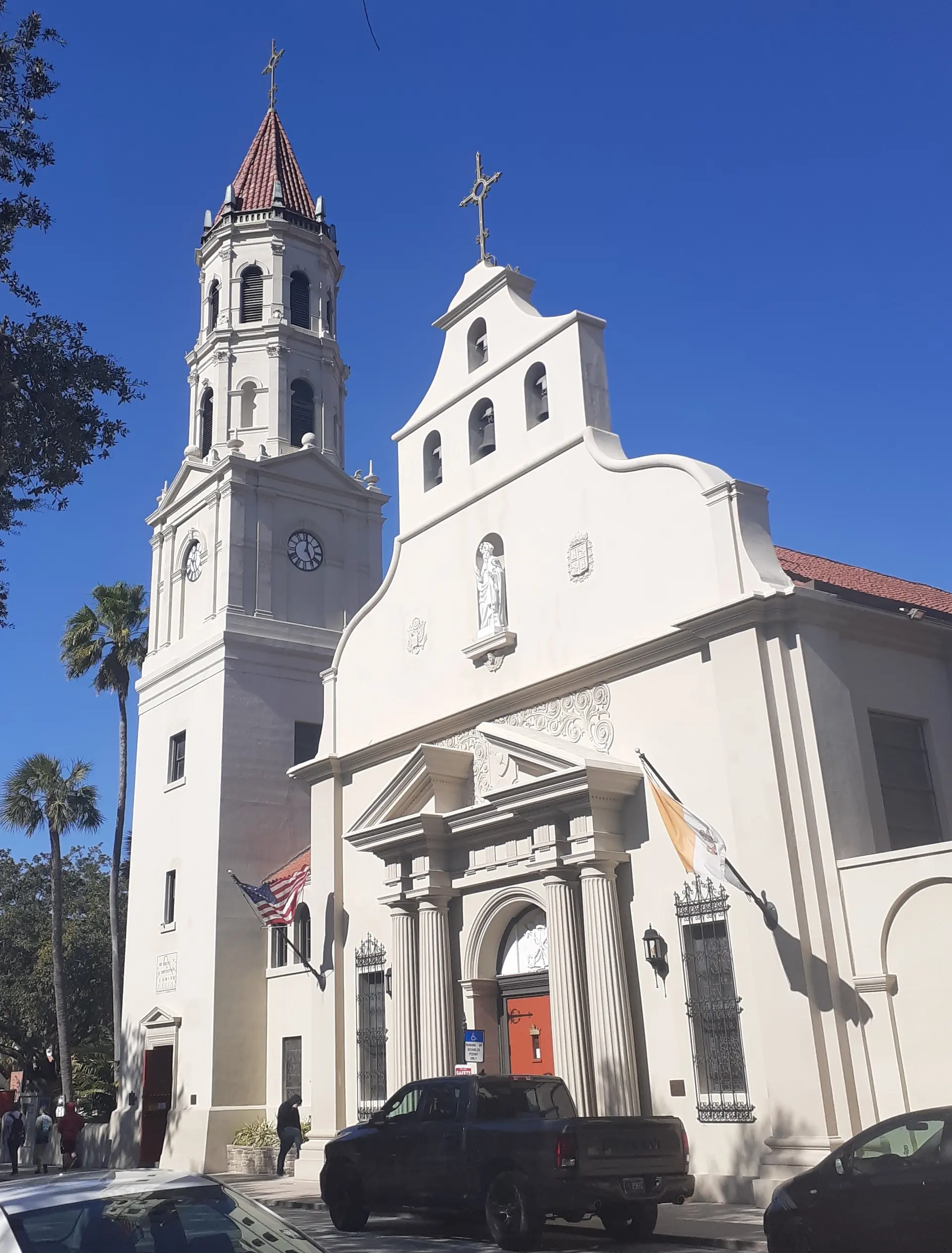
Cathedral Basilica of St. Augustine
St. Augustine, Florida, United States
168.0 km away

National Shrine of Our Lady of La Leche
St. Augustine, United States
168.6 km away
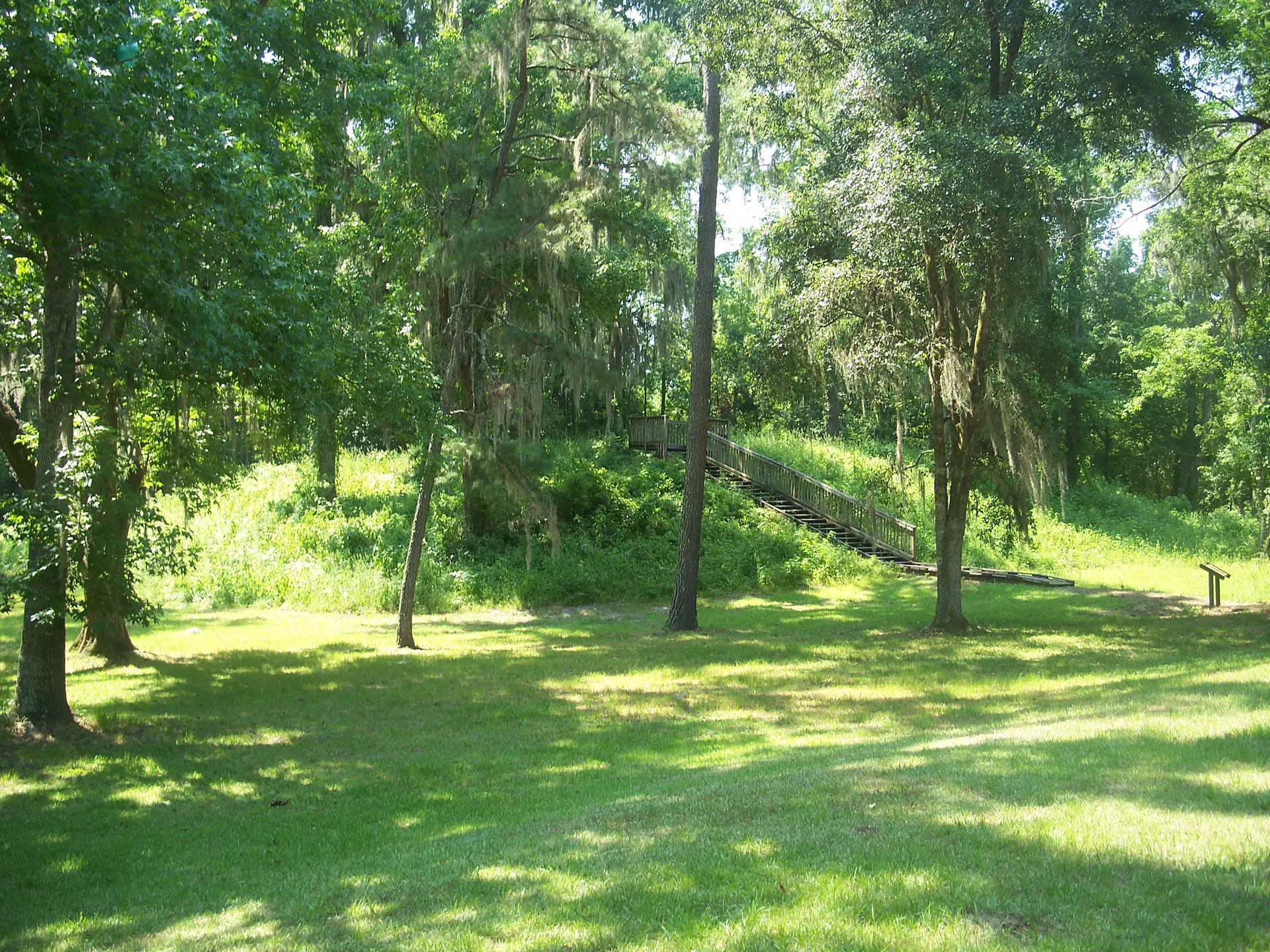
Lake Jackson Mounds, Tallahassee, Florida
Tallahassee, Florida, United States
240.3 km away
References
Sources consulted for this page. Source categories describe the publication, not a guarantee that every claim is verified. Traditional accounts and outside interpretations may differ.
- 01Crystal River Archaeological State Park — Florida State ParksofficialOfficial state parks website with authoritative visitor information
- 02Crystal River Archaeological State Park - Trail of Florida's Indian Heritage — Trail of Florida's Indian HeritageSource contextDetailed archaeological and cultural information
- 03Crystal River Archaeological State Park — SAH ARCHIPEDIAacademicScholarly architectural and archaeological perspective
- 04During tough times, ancient tourists sought solace in Florida oyster feasts — Florida Museum of Natural HistoryacademicUniversity research on feasting and ceremonial activities
- 05Digging into the Past — Florida State ParksofficialOfficial account of Clarence Moore's excavations
- 06Crystal River Archaeological State Park - WikipediaencyclopediaGood overview with citations; useful for cross-referencing dates and facts
- 07The Storied Past Behind the Crystal River Archaeological State Park — Flamingo MagazineacademicRecent 2025 article with historical context and Moore excavation details
- 08Crystal River Archaeological State Park - Crystal River, Florida — Explore Southern HistorySource contextDetailed historical account of the site
- 09Roberts Island complex - WikipediaencyclopediaInformation on the successor ceremonial site
- 10Crystal River Mounds: A Native American ancient civilization in Florida — LostWorlds.orgSource contextOverview with Hopewell connection details
- 11The Mystery of the Crystal River Archaeological Mound: History and Theories — Citrus Hills InfoSource contextLocal perspective with astronomical and mystery elements
- 12Crystal River Archaeological State Park — Atlas ObscuraSource contextVisitor-oriented perspective
- 13Dancing Spirits and Ancient Echoes: Crystal River's Indigenous Festivals — The Sunshine RepublicacademicContemporary indigenous cultural perspective
- 14Crystal River Archaeological State Park — Discover Crystal RiverSource contextLocal tourism information
Share a photo
Help visitors recognize Crystal River Mounds, Florida. Every submission is reviewed before publication.