Betrayaswamy Temple, Denkanikota, Tamil Nadu
A millennium-old Vishnu shrine in a Tamil fort town, counted among the 108 Abhimana Kshethram
Understand sacred places, explore living traditions, and learn how to engage respectfully with Pilgrim Map.
Access has not been verified. Check current local guidance before planning a visit.
Denkanikottai, Tamil Nadu, India
Read the sources
Visit essentials
A quick read before you go
- Duration
- About 1–2 hours for darshan and to take in the rajagopuram and halls.
- Access
- In Denkanikottai town, Krishnagiri district, Tamil Nadu, near the Karnataka border; reached by…
Overview
Betrayaswamy Temple stands in Denkanikottai, a historic fort town in Tamil Nadu's Krishnagiri district near Karnataka. Its five-tiered rajagopuram marks a Hoysala-style Vishnu temple traditionally regarded as about a thousand years old, with later additions.
Vishnu is worshipped as Betrayaswamy or Devaperumal, with Lakshmi as Soundaryavalli. One of 108 Abhimana Kshethram beloved by Vishnu's devotees, the temple follows southern Tenkalai Sri Vaishnavism and Pancharatra worship. The Skanda Purana devotes several chapters to the site; tradition says Venkateswara appeared to sage Kanva and saved him from a yaksha.
The name also appears as Beteraya, Bettaraya, and Betaraya. The region passed through Paligar, Vijayanagara, Maratha, Wodeyar, and British rule; Mysore's Wodeyars enlarged the temple with pillared halls in the sixteenth century. Daily worship includes morning Kalasanthi and evening Aravanai Pooja. Major festivals are the fifteen-day Chittirai Kalyana Utsavam and nine-day Brahmotsavam.
Why this place is sacred
Betrayaswamy's resonance comes from continuity and being chosen. As one of the 108 Abhimana Kshethram, it belongs to a set of places held to be especially beloved of Vishnu — sites where the devotee feels personally received rather than merely admitted.
That sense is deepened by the temple's age, regarded as around a thousand years, and by the strong Puranic association: the Skanda Purana gives the site eight chapters, and tradition tells of Vishnu appearing here to rescue the sage Kanva. The temple has held its worship steady through a fort town that changed hands among many powers, the layered patronage of Hoysala, Vijayanagara and Wodeyar dynasties leaving its mark while the twice-daily rituals continued.
During the Chittirai Kalyana Utsavam, the wedding festival of the deity, that quiet continuity opens into celebration.
A Vishnu temple dedicated to Betrayaswamy (Devaperumal) and his consort Soundaryavalli, worshipped within the southern (Tenkalai) school of Sri Vaishnavism and counted among the 108 Abhimana Kshethram.
Traditionally about a thousand years old in the Hoysala style, the temple was enlarged with pillared halls and shrines by the Wodeyars of Mysore in the sixteenth century, while the surrounding region passed through Paligar, Vijayanagara, Maratha, Wodeyar and British control; twice-daily worship continues.
Experience and orientation
Visitors describe a five-tiered gateway tower, pillared halls and a calm setting in the fort town of Denkanikottai. The fullest ritual experience falls at the two daily poojas — Kalasanthi in the morning and Aravanai Pooja in the evening — each with decoration, food offering and lamp ceremony for both Betrayaswamy and his consort.
You may take darshan, witness the morning and evening rituals, and during the Tamil month of Chittirai join the crowds for the fifteen-day Kalyana Utsavam, the deity's wedding festival. Those who include the temple among the Abhimana Kshethram circuit often report a sense of being personally received by the Lord, deepened during the festival season. Outside the festivals the temple keeps a quieter, contemplative rhythm.
A five-tiered rajagopuram marks the entrance; within are pillared halls and the sanctum of Betrayaswamy (Devaperumal), with the shrine of Soundaryavalli. The temple sits in the historic fort town of Denkanikottai. Worship follows the morning Kalasanthi and evening Aravanai Pooja.
Context and lineage
The Skanda Purana contains eight chapters detailing the legend of the temple. By tradition, Venkateswara — a form of Vishnu — is said to have appeared to the sage Kanva here to save him from the yaksha Devandagadagan. The temple is counted among the 108 Abhimana Kshethram, places especially beloved of Vishnu's devotees. Its founding date is uncertain; it is described broadly as around a thousand years old, with later Vijayanagara and Wodeyar additions.
Sri Vaishnavism (Hinduism), Tenkalai (southern) school, following the Pancharatra agama, under historic Hoysala, Vijayanagara and Wodeyar patronage.
Betrayaswamy (Vishnu as Devaperumal)
Principal deity
Soundaryavalli (Lakshmi)
Consort deity
Sage Kanva
Figure in the temple legend
The Wodeyars of Mysore
Royal patrons
Traditions and practice
Pancharatra-agama worship with Kalasanthi (morning) and Aravanai (evening) poojas, each comprising decoration, food offering and lamp ceremony for the deity and consort.
Daily darshan and the annual fifteen-day Chittirai Kalyana Utsavam and nine-day Brahmotsavam; ongoing Tenkalai-sect worship.
Time a visit to one of the two daily poojas — Kalasanthi in the morning or Aravanai in the evening — to see the full ritual offered to deity and consort. If you can, come during the Chittirai season for the Kalyana Utsavam, when the temple's quiet continuity opens into the deity's wedding celebration. Otherwise the fort-town setting rewards an unhurried look at the rajagopuram and halls.
Sri Vaishnavism (Hinduism, Tenkalai)
ActiveThe temple is dedicated to Vishnu worshipped as Betrayaswamy / Devaperumal with his consort Lakshmi as Soundaryavalli, and is counted among the 108 Abhimana Kshethram of the Vaishnava tradition. It follows the Tenkalai (southern) school of Sri Vaishnavism and the Pancharatra system of worship.
Twice-daily rituals — Kalasanthi in the morning and Aravanai Pooja in the evening — each with decoration, food offering and lamp ceremony for both deities; annual festivals including the fifteen-day Chittirai Kalyana Utsavam and nine-day Brahmotsavam.
Perspectives and open questions
Betrayaswamy is read as a layered Hoysala-era Vishnu temple, a place where the Lord is especially beloved, and a site of enduring spiritual potency.
Scholarly perspective
Scholars describe a Hoysala-style Vishnu temple of roughly a millennium's age, enlarged by the Wodeyars in the sixteenth century, set in a region that changed hands among Paligar, Vijayanagara, Maratha, Wodeyar and British powers.
Living and traditional perspectives
Devotees revere the temple as one of the 108 Abhimana Kshethram where Vishnu as Betrayaswamy appeared to save the sage Kanva, its sanctity affirmed by the Skanda Purana.
Alternative interpretations
Some accounts emphasise the temple's continuous spiritual potency within the fortified town across many ruling dynasties.
Open questions
The precise founding date and a full art-historical study of the temple's sculpture remain undocumented in readily available sources, and the deity's name is transliterated several ways.
Plan your visit
Access and arrival
In Denkanikottai town, Krishnagiri district, Tamil Nadu, near the Karnataka border; reached by road from Hosur and Bangalore.
Respectful visit
Modest, traditional dress; footwear removed before entering the temple.
Exterior photography is generally tolerated; respect any restrictions inside the sanctum and during rituals.
Flowers, fruit and the temple's neivethanam food offerings.
Observe ritual timings (morning and evening poojas); maintain silence and decorum in the sanctum; follow the priests' guidance.
Observe the ritual timings and maintain silence and decorum in the sanctum; follow the priests' guidance. During the Chittirai festival the temple is busy.
Current practical details
Address
GQ8X+8P8, Denkanikottai - Palakodu Rd, Denkanikottai, Tamil Nadu 635107, India
Hours
Hours, fees, and access can change — verify on the official source before you travel. Practical details last checked Jun 2026.
Location
Map loads as you approach this section.
Pilgrim reflections
A portrait of encounter, not a score
Pilgrims describe what they felt, how present they could become, and whether the place would shape a journey. There are no stars and no ranking of traditions.
No reviewed reflections yet
The first pilgrims can help describe the character of being here.
Share a reflection
Available after an account-backed “Been there.” Every reflection is reviewed before publication.
Nearby sacred places
Explore other sacred places in the region. Proximity does not establish access or travel time; check each place’s guidance.

Bhoga Nandeeshwara Temple, Nandi, Karnataka
Nandi, Karnataka, India
97.5 km away

Chennakeshava Temple, Somanathapur, Karnataka
Bevinahalli, Karnataka, India
103.1 km away

Chamundeshwari Temple, Mysore, Karnataka
Chamundipuram, Karnataka, India
125.5 km away
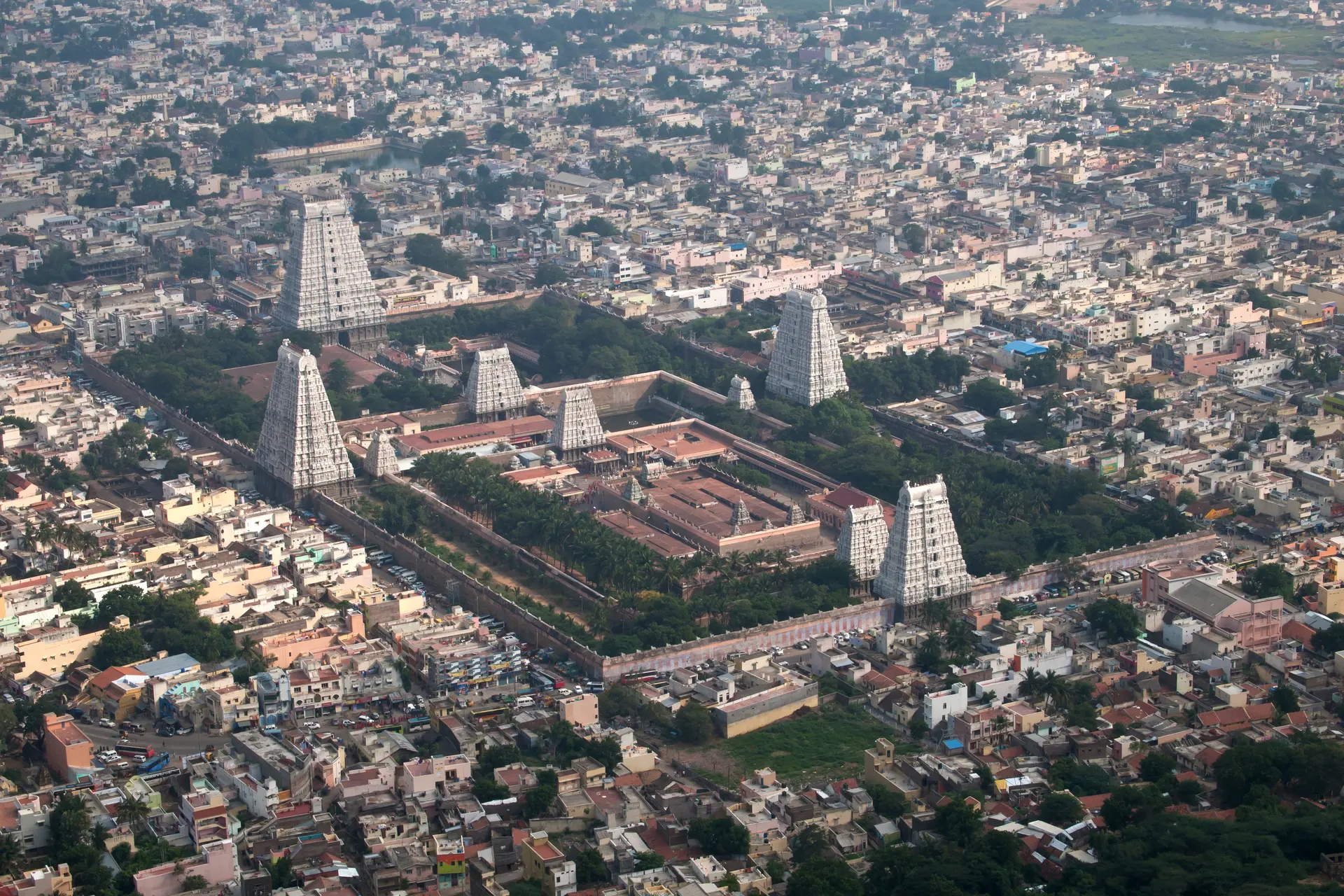
Annamalayar Shiva Temple, Tiruvanamalai, Tamil Nadu
Tiruvannamalai, Tamil Nadu, India
141.4 km away
References
Sources consulted for this page. Source categories describe the publication, not a guarantee that every claim is verified. Traditional accounts and outside interpretations may differ.
- 01Betrayaswamy temple — Wikipedia — Wikipedia contributorsacademicVishnu temple at Denkanikottai, one of the 108 Abhimana Kshethram; Tenkalai sect, Pancharatra agama; Hoysala-style with five-tier rajagopuram; Devaperumal and consort Soundaryavalli; Skanda Purana legend; Chittirai Kalyana Utsavam and Brahmotsavam.
- 02Sri Beteraya Swamy Temple, Denkanikottai, Krishnagiri District, Tamil Nadu — VisitTemples — VisitTemplesSource contextDescribes the temple as about 1,000 years old in Hoysala style with a five-tiered rajagopuram; Vishnu as Devaperumal, Lakshmi as Soundaryavalli.
- 03Sri Beteraya Swamy Temple — TemplesofIndia.org — TemplesofIndia.orgSource contextListing and description of the Krishnagiri-district Vishnu temple at Denkanikottai.
- 04Denkanikottai — Betrayaswamy (touringwithpk) — Touring with PKSource contextTravel account of the Denkanikottai fort town and the Betrayaswamy temple, noting the historic fortress and ruling families.
- 05Wanderings of a Pilgrim: Denkanikottai Bettaraya Swamy Temple — Wandering Tamil (blog)Source contextPilgrim's blog account describing the temple layout, deities and visit; epistemic/experiential marker only.
- 06Sri Beteraya Swamy Temple — Tripadvisor (Denkanikottai) — Tripadvisor reviewersSource contextVisitor reviews and practical impressions of the temple as a sacred/religious site in Denkanikottai.
Photo gallery
3 curated photos
Share a photo
Help visitors recognize Betrayaswamy Temple, Denkanikota, Tamil Nadu. Every submission is reviewed before publication.