Ak Ishan
Where a Sufi saint's blessing meets healing waters in Turkmenistan's desert
Baharden, Ahal, Turkmenistan

Visit essentials
A quick read before you go
- Duration
- Half day for the shrine itself; full day or longer if combining with Archman resort treatments.
- Access
- The shrine is located near Archman resort, approximately 140 km west of Ashgabat.
Overview
Ak Ishan is a modest Turkmen-hills shrine drawing seekers across Central Asia through power believed to emanate from a nineteenth-century saint's grave. Akmammet, known as Ak Ishan, was born poor and died renowned: he read Arabic at seven, memorized the Quran by twelve, advised the King of Khiva, and died in 1878 at ninety; his burial became a pilgrimage center. Visitors seek baraka, the blessing Sufi tradition teaches radiates from holy graves, pray, and drink from sacred wells. In one ritual they cover their heads with a blanket, gaze into a round well, and hold that a reflected moon fulfills wishes; its absence prompts a return. Nearby Archman thermal springs join physical and spiritual healing.
Why this place is sacred
In Sufi understanding, certain individuals achieve such spiritual attainment that their baraka—a blessing or spiritual power—persists beyond death. The graves of such saints become conduits through which devotees can receive guidance, healing, and answered prayers. Ak Ishan's reputation for miraculous learning—memorizing the Quran at an age when most children are still learning letters—established his spiritual credentials during his lifetime. His service to the King of Khiva confirmed his worldly wisdom as well.
The sacred wells at the shrine add a distinctive element. Water in Islamic tradition carries purifying and healing properties, and wells at saints' tombs are often believed to share in the saint's baraka. But the round well at Ak Ishan offers something more: a divinatory practice where pilgrims seek visions. The sight of the moon—in complete darkness, reflected somehow in the water—signals that the saint has heard and will intercede.
The thermal springs nearby suggest the land itself possesses healing properties. The convergence of natural mineral waters with saintly baraka creates a landscape where physical and spiritual restoration occur together, each reinforcing the other.
The mausoleum was established after Ak Ishan's death in 1878 as a place of ziyarat—pilgrimage—where devotees could visit the saint's grave and seek his blessing. Like hundreds of similar shrines across Central Asia, it served to maintain connection between the living community and their spiritual ancestors.
Over more than a century, the shrine has grown from a simple grave to a complex including the mausoleum, prayer halls, sacred wells, and accommodation for pilgrims. The Soviet period likely suppressed open devotion, but the practice survived underground. Today, Ak Ishan is one of Turkmenistan's most popular pilgrimage destinations, with visitors combining sacred visitation with health tourism at the nearby Archman resort.
Experience and orientation
The journey itself matters. Traveling 140 kilometers from Ashgabat through the Turkmen landscape, pilgrims approach the shrine gradually, the anticipation building. The complex appears modest—brick buildings, a stubby minaret—but what lies within carries weight accumulated over generations of devotion.
At the mausoleum, the atmosphere shifts. Pilgrims pray at the saint's grave, seeking his intercession. Some have come with specific petitions—healing for a family member, success in an endeavor, guidance at a crossroads. Others come simply to renew their connection with a tradition that stretches back through their ancestors.
The round well offers a unique experience. Under a blanket that blocks all light, the pilgrim gazes into the water, seeking the moon's reflection. In complete darkness, how could one see anything? Yet devotees report seeing it—a sign that the saint has heard, that wishes will be granted. Those who see nothing return, sometimes repeatedly, until the vision appears.
Many visitors combine pilgrimage with the thermal treatments at Archman resort. The mineral-rich waters address ailments of the body; the saint's baraka addresses ailments of the spirit. The combination creates a holistic experience of renewal that distinguishes this pilgrimage from those focused solely on spiritual goals.
Come with genuine intention. Whether you seek healing, guidance, or simply connection with Central Asian spiritual tradition, approach with sincerity. The pilgrimage is not tourism; it is participation in a living practice.
Allow time for the moon-gazing ritual, even if you hold no belief in its efficacy. The experience of sitting in complete darkness, seeking light reflected in water, carries contemplative value regardless of what you see or believe about what others see.
Consider extending your visit to include the Archman resort. The combination of spiritual visitation and physical restoration reflects the integral understanding of human wellbeing that characterizes this tradition.
Context and lineage
Akmammet was born in 1788 to a poor nomadic family in the village of Bokurdak. Despite his circumstances, he displayed extraordinary spiritual gifts from early childhood. By age seven, he could read and write Arabic—remarkable in a community where literacy was rare. By twelve, he had memorized the entire Quran, a feat that typically requires years of intensive study.
His reputation spread. He was sent to study in Khiva, where he became renowned for his scholarship. But unlike many scholars who remained in cities, Ak Ishan returned to serve the people of Baharden as their molla—religious teacher and leader. His wisdom transcended his local role; between 1850 and 1851, the King of Khiva appointed him as an advisor, seeking counsel from this shepherd's son who had become one of the age's great scholars.
He died in 1878 at age ninety, having lived through nearly a century of Central Asian history. His followers buried him at Archman, and his grave immediately became a center of pilgrimage.
Ak Ishan belongs to the tradition of Central Asian Sufism that produced countless saints whose tombs became pilgrimage centers. His spiritual lineage likely connects to one of the major Sufi orders active in the region, though sources do not specify which. The veneration of his grave continues practices that predate Islam in Central Asia—the honoring of ancestors and holy figures at their burial sites—integrated into Islamic frameworks of saintly intercession.
Ak Ishan (Akmammet)
saint
Born 1788, died 1878. A Sufi saint renowned for memorizing the Quran by age 12 and serving as advisor to the King of Khiva. His mausoleum is one of Turkmenistan's most important pilgrimage sites.
Traditions and practice
Ziyarat—pilgrimage to saints' tombs—is a widespread practice in Central Asian Islam. Devotees believe that the spiritual power of holy figures persists at their graves, accessible to those who visit with sincere intention. At Ak Ishan, traditional practices include reciting prayers at the grave, seeking blessing through contact with the shrine, and participating in sacrificial meals (sadaqa) that distribute merit among the community.
Contemporary pilgrims continue the traditional practices while adding the distinctive moon-gazing ritual. Covering their heads with a blanket to create complete darkness, they gaze into the round well. The appearance of the moon—impossible by ordinary physics in such darkness—signals that the saint has received their prayer and will intercede. Pilgrims also drink from the sacred wells and stay in accommodation provided for visitors. Many combine their pilgrimage with treatment at the nearby Archman resort.
Approach the mausoleum with the respect due to a grave of the honored dead. If Muslim, perform the prayers appropriate to ziyarat. If not Muslim, maintain respectful silence and observe others' devotions.
Participate in the well ritual if invited. Even without belief in its literal efficacy, the experience of seeking light in darkness carries contemplative value.
If time permits, stay overnight. The rhythm of dawn and evening prayers, the communal meals, the conversations with fellow pilgrims—these create an experience that a brief visit cannot replicate.
Sufi Islam
ActiveAk Ishan exemplifies the Central Asian Sufi tradition of saint veneration. The belief that spiritual masters accumulate baraka (blessing) that persists beyond death makes their graves sites of ongoing spiritual power. Pilgrimage to such tombs—ziyarat—connects devotees with their spiritual ancestors and provides access to intercessory blessing.
Pilgrimage includes prayer at the grave, seeking the saint's intercession for specific needs, drinking from sacred wells, and participating in communal sacrificial meals. The distinctive moon-gazing divination adds a unique element to this shrine.
Turkmen Folk Religion
ActiveThe practices at Ak Ishan incorporate elements that predate and transcend orthodox Islam—the veneration of sacred wells, divination, and the belief in landscape features possessing spiritual power. These represent the integration of Islam with older Central Asian traditions.
Drinking from sacred wells, the moon-gazing divination, and the combination of spiritual pilgrimage with physical healing at thermal springs reflect a holistic understanding of human wellbeing that draws from multiple sources.
Perspectives and open questions
Ak Ishan represents a living tradition of saint veneration that scholars study as cultural practice and believers experience as genuine spiritual encounter. The site offers insight into how Sufi Islam integrated with Central Asian folk traditions.
Scholarly perspective
Historians and anthropologists recognize Ak Ishan as an example of Central Asian saint veneration, a practice that combines orthodox Islamic beliefs with pre-Islamic traditions of ancestor worship and sacred landscape. The survival of such practices through the Soviet period demonstrates their deep roots in local culture. The moon-gazing ritual represents a syncretic element not found in orthodox Islam but consistent with regional folk practices.
Living and traditional perspectives
In Sufi understanding, Ak Ishan's spiritual attainment during his lifetime established a channel of baraka—spiritual blessing—that continues to flow from his grave. Pilgrimage allows devotees to access this blessing. The vision of the moon in the well represents authentic communication between the saint and the seeker, confirming that prayers have been heard and will be answered. This is not metaphor but spiritual reality.
Open questions
Much about Ak Ishan's specific teachings and spiritual lineage remains undocumented. The origin of the moon-gazing practice is unclear—whether it predates the shrine, was established by early devotees, or represents an even older tradition attached to this site. The relationship between the shrine's sacred waters and the nearby thermal springs—whether they share a common source or are believed connected through spiritual geography—deserves further investigation.
Plan your visit
Access and arrival
The shrine is located near Archman resort, approximately 140 km west of Ashgabat. Access typically requires private transport or organized tour. The site is generally open during daylight hours. Admission is free; donations are appreciated.
Pilgrim accommodation is available at the shrine complex. The nearby Archman resort offers more extensive facilities for those combining spiritual pilgrimage with thermal treatments. Arrangements for visiting Turkmenistan typically require organized tours with local support.
Respectful visit
Modest Islamic dress required. Men should wear long pants and shirts with sleeves. Women should wear loose, non-revealing clothing and cover their hair with a scarf. Shoes removed in prayer areas.
Ask permission before photographing. Interior of mausoleum may have restrictions. Do not photograph people at prayer or engaged in the well ritual without their explicit consent.
Donations are appreciated. Participation in sacrificial meals is traditional.
{"Remove shoes in prayer areas","Observe gender separation where indicated","Do not disturb those at prayer","Ask permission before photographing","Dress modestly"}
This is an active religious site. Do not treat the moon-gazing ritual as entertainment or performance for social media. Ask permission before photographing anything. Dress modestly and observe Islamic etiquette, particularly regarding gender separation in prayer areas.
Location
Pilgrim reflections
A portrait of encounter, not a score
Pilgrims describe what they felt, how present they could become, and whether the place would shape a journey. There are no stars and no ranking of traditions.
No reviewed reflections yet
The first pilgrims can help describe the character of being here.
Share a reflection
Available after an account-backed “Been there.” Every reflection is reviewed before publication.
Nearby sacred places
Sacred places within a half-day’s reach. Pilgrims often visit them together: walk one, stay for the other.

Old Nisa Sacred City
Bagir / Ashgabat, Ahal Region, Turkmenistan
86.5 km away

Seyit Jemaleddin Mosque Ruins
Anau, Ahal Region, Turkmenistan
114.0 km away

Shrine of Khalid Nabi, Golestan Province, Iran
دهستان تمران, Golestan, Iran
192.3 km away
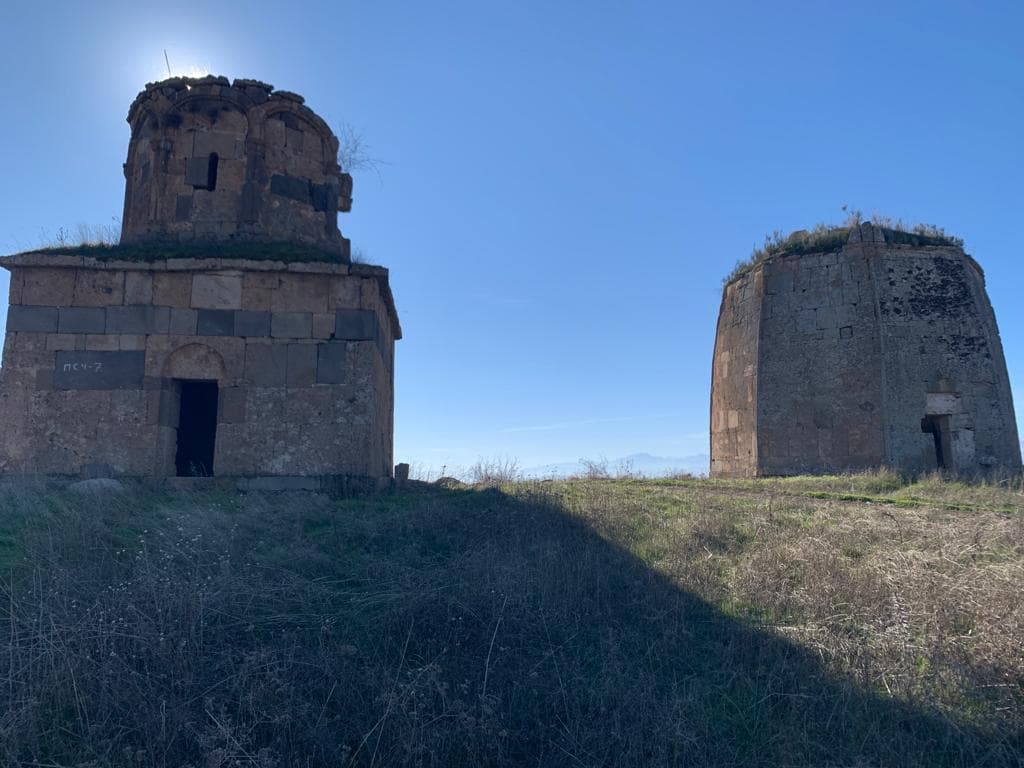
Malik Ajdar Palwan Tomb
Kaka District, Ahal, Turkmenistan
268.8 km away
References
Sources consulted when researching this page. Independent verification by readers is welcome.
- 01Ak Ishan - Wikipedia — Wikipedia contributors
- 02Sacred Sites of Turkmenistan - World Pilgrimage Guide — SacredSites.com
- 03Ak Ishan - Places to visit in Turkmenistan — Travel O Turkmenistan
- 04Package Eighteen Detail - Visit Turkmenistan — Visit Turkmenistan
Photo gallery
3 curated photos
Share a photo
Help visitors recognize Ak Ishan. Every submission is reviewed before publication.