Site type guide
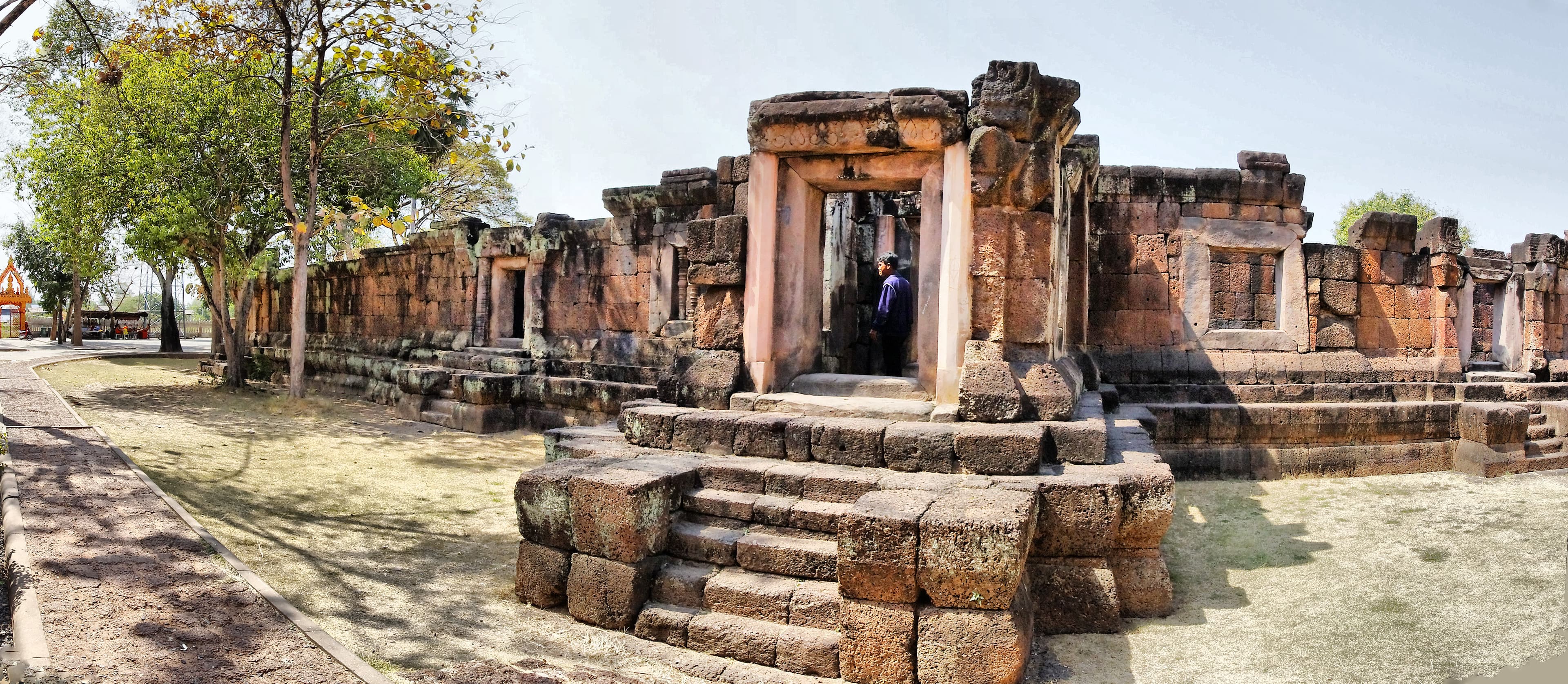
Khmer Hindu archaeological sanctuary within an active Buddhist temple compound
Khmer Hindu archaeological sanctuary within an active Buddhist temple compound sites reveal how different traditions shape sacred space through architecture, landscape, ritual, and memory.
1 khmer hindu archaeological sanctuary within an active buddhist temple compound sacred site. Use the country and tradition filters to narrow in.
Atlas summary
Khmer Hindu archaeological sanctuary within an active Buddhist temple compound sacred sites overview
Khmer Hindu archaeological sanctuary within an active Buddhist temple compound sacred sites span countries, traditions, pilgrimage routes, and sacred landscapes represented in the Pilgrim Map atlas.
Use this guide to compare major country clusters, represented traditions, UNESCO-tagged places, and the map distribution before opening individual site pages.
| Coverage | 1 khmer hindu archaeological sanctuary within an active buddhist temple compound sacred site across the current atlas. |
|---|---|
| Major countries | |
| Traditions |
By country
All site
1
Showing 1-1 of 1 site in this site-type guide
Key questions
Khmer Hindu archaeological sanctuary within an active Buddhist temple compound sacred-site questions
- What khmer hindu archaeological sanctuary within an active buddhist temple compound sacred sites are included?
- Khmer Hindu archaeological sanctuary within an active Buddhist temple compound sacred sites are places where this site type carries religious, ritual, cultural, or pilgrimage significance. This guide lists 1 in the current Pilgrim Map atlas.
- Where are these khmer hindu archaeological sanctuary within an active buddhist temple compound sites located?
- Major country clusters include Thailand.
- Which traditions are represented?
- Traditions represented here include Historic Khmer Hinduism and contemporary Thai Buddhism.
- Can I view khmer hindu archaeological sanctuary within an active buddhist temple compound sacred sites on a map?
- Yes. Compare the country and tradition clusters, switch to map view for geography, then use site pages for practical context and related places.