Tradition guide
Sufism
Sufism sites connect places through shared lineage, practice, story, and pilgrimage across the global atlas.
5 sacred places share this lineage. Use the country links to narrow in.
Atlas summary
Sufism sacred sites overview
Sufism sacred sites connect places through shared lineage, ritual use, memory, and pilgrimage practice across the Pilgrim Map atlas.
Use this page to compare country clusters, common place types, UNESCO-tagged landmarks, and the map distribution before exploring individual site pages.
| Coverage | 5 Sufism sacred places in the current atlas. |
|---|---|
| Country clusters |
By country
Showing 1-5 of 5 sites in this tradition guide

Arabati Baba Tekke
Tetovo, Tetovo, Polog Region, North Macedonia
Arabati Baba Tekke is a documented tekke in Tetovo, North Macedonia, held within Sufism....

Halveti Tekke, Berat
Berat, Berat, Berat County, Albania
Halveti Tekke, Berat is a documented tekke in Berat, Berat County, Albania, connected with Sufism....

Saiyed Ali Mira Datar Dargah, Unava
Unava, Gujarat, India
The dargah of Saiyed Ali Mira Datar at Unava in Gujarat is a Sufi pilgrimage place especially associated with people seeking relief from distress....
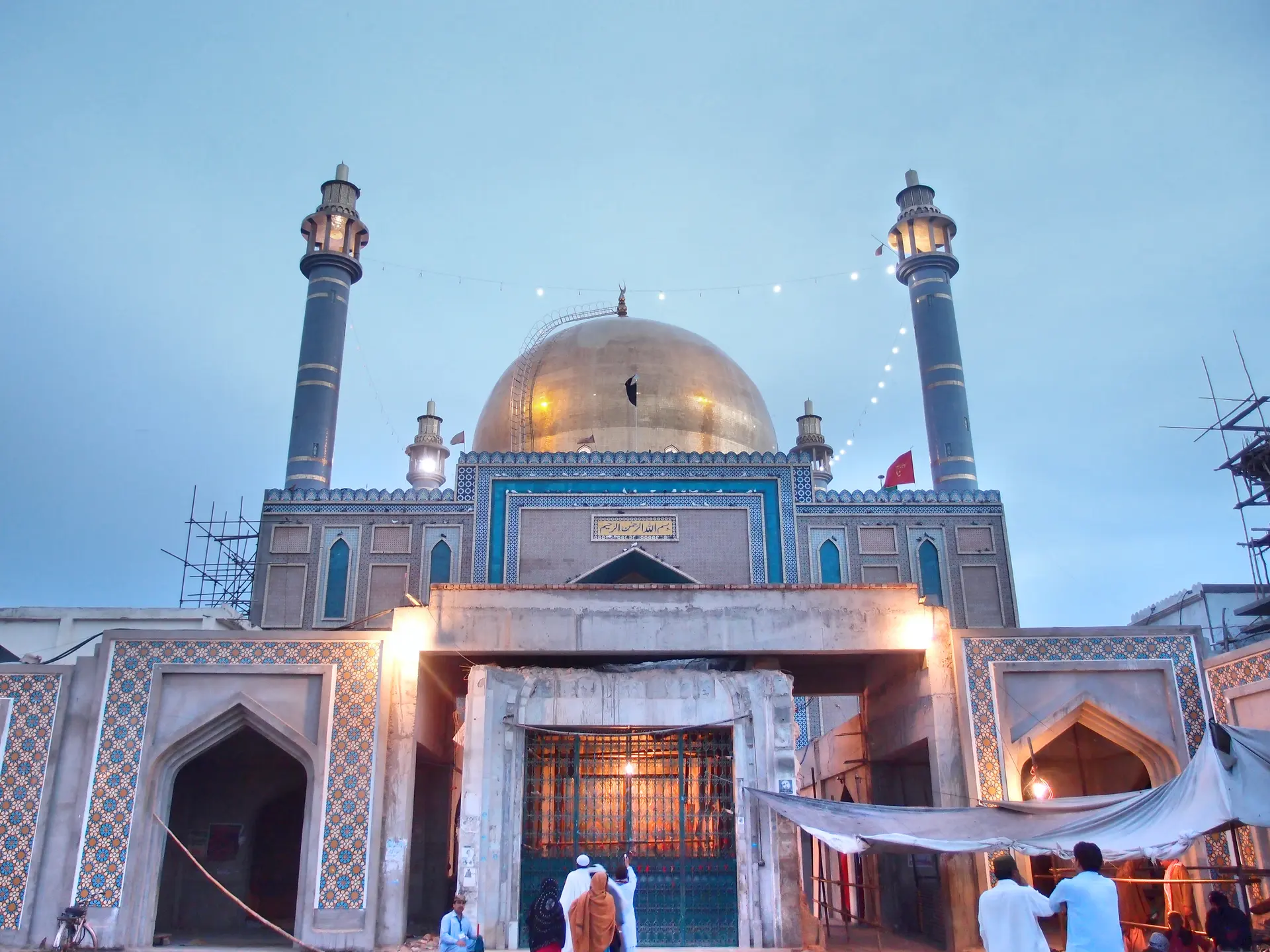
Shrine of Lal Shahbaz Qalandar
Sehwan, Sindh, Pakistan
The shrine of Lal Shahbaz Qalandar at Sehwan Sharif is a major centre of Sufi devotion in Sindh....

Tomb of Sheikh Salim Chishti
Fatehpur Sikri, Uttar Pradesh, India
The marble tomb of Sheikh Salim Chishti stands in the courtyard of Fatehpur Sikri’s congregational mosque.
Key questions
Sufism sacred-site questions
What are Sufism sacred sites?
Sufism sacred sites are places connected by shared lineage, practice, memory, ritual use, or pilgrimage tradition.
Where can I find Sufism sacred sites?
The strongest country clusters in this guide include India, Albania, North Macedonia, Pakistan.
What kinds of places are included?
The guide includes sacred landscapes, pilgrimage places, and ritual or historical sites where available.
Can I map Sufism sacred sites?
Yes. Compare country clusters and physical forms first, then open individual pages for coordinates, historical context, and visitor guidance.