Mount Graham, Arizona
One of the Western Apache's four holiest mountains, now bearing telescopes the tribe calls desecration
Understand sacred places, explore living traditions, and learn how to engage respectfully with Pilgrim Map.
Access has not been verified. Check current local guidance before planning a visit.
Safford, Arizona, United States
Read the sources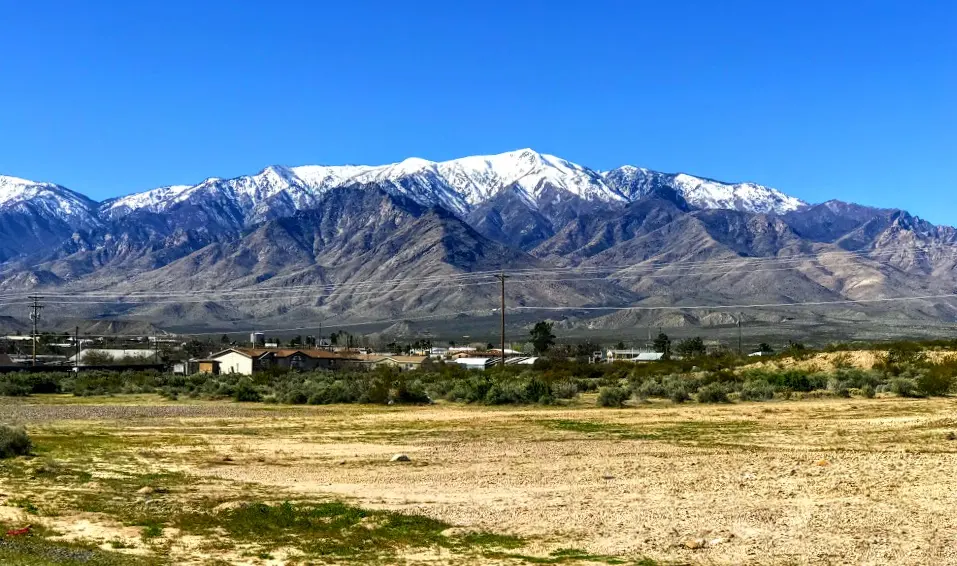
Visit essentials
A quick read before you go
- Duration
- Half day for a drive up the Swift Trail with stops.
- Etiquette
- Mount Graham is sacred ground contested.
Overview
Mount Graham stands as sacred ground contested. For the Western Apache, particularly the San Carlos Apache Tribe, this is Dzil Nchaa Si'an—Big Seated Mountain—one of their four holiest places. The mountain is home to the Ga'an, the mountain spirits who appear in ceremony wearing elaborate headdresses, providing guidance, healing, and direction for Apache life. The 32 sacred songs transmitted orally among spiritual leaders feature this mountain. Ancient burials remain on its slopes. Medicinal plants essential for healing grow here.
Yet the summit of Mount Graham now hosts telescopes. In 1984, the University of Arizona and the Vatican selected the site for an international observatory. Despite Apache objections that this was sacred ground—despite the San Carlos Apache Tribe formally resolving in 1991 that Mount Graham is sacred—construction proceeded. The Vatican Advanced Technology Telescope now operates on land the Apache consider desecrated.
The conflict illuminates a fault line in American society: the collision between scientific aspiration and Indigenous sacred geography. For the telescope operators, Mount Graham offers excellent conditions for observing the sky—high altitude, clear air, dark nights. For the Apache, the telescopes on their holy mountain represent violation, comparable to building an observatory on the altar of a church.
The Apache have not surrendered the mountain. Annual spiritual runs from the San Carlos Reservation—over 100 miles—assert the continuing connection. When Naelyn Pike chose to hold her sunrise dance (Apache coming-of-age ceremony) on Mount Graham, she was the first Apache girl to do so in over 150 years. The first sunrise dance on Mt. Graham in a century and a half was an act of reclamation, of refusal to be displaced.
In 2002, the Keeper of the Register determined that Dzil Nchaa Si'an is eligible for the National Register of Historic Places—approximately 330,000 acres, the largest property so designated. The recognition came too late to prevent the telescopes. Whether it will prevent further development remains to be seen. The mountain stands, sacred and scarred, holding both the Ga'an and the observatories, testimony to what happens when different visions of value collide.
Why this place is sacred
The thinness of Mount Graham is locational. In Apache understanding, the Ga'an—the mountain spirits—reside here. This is not 'spirits are everywhere but feel especially present here.' This is specific: the Ga'an live on Mount Graham, make their home on its slopes, and can be approached by those who know how to approach.
The Ga'an appear in Apache ceremony wearing elaborate headdresses and body paint. They dance. They provide guidance, healing, direction. Their presence in ceremony connects to their residence on the mountain—what happens in ceremonial space links to what dwells in geographical space. The mountain is thin because it is inhabited, thin because the Ga'an are there.
The 32 sacred songs transmitted among Apache spiritual leaders feature Mount Graham. Songs are not descriptions but relationships—they name power, invoke presence, maintain connection. That 32 songs address this mountain speaks to the density of its significance. Other places may have one song, or none. Mount Graham has thirty-two.
The ancient burials on the mountain's slopes add another dimension. Those who have died are present in the place where they rest. The undisturbed burials maintain a connection between the living and the dead that disturbance would sever. The telescopes disturb—not the graves themselves, perhaps, but the integrity of the sacred landscape that holds them.
For those who perceive what the Apache perceive, the mountain is not simply thin but crowded. The Ga'an are there. The ancestors are there. The songs that have been sung are there. The ceremonies that have been performed are there. And now, telescopes are there too—a presence that does not fit, that violates, that is experienced by the Apache as desecration.
Mount Graham served as one of four cardinal points in Apache sacred geography—a place where the Ga'an dwell, where seekers come for healing and vision, where medicinal plants grow, where the dead are buried. The mountain's purpose was residential (for the Ga'an), ceremonial (for Apache practice), and practical (as source of medicinal plants and sacred materials).
These purposes were not separate but integrated: the mountain was holy because the spirits lived there, and because they lived there, seekers came, and because seekers came, ceremonies developed, and because ceremonies developed, the mountain accumulated ever more significance.
In 1873, Mount Graham was removed from the San Carlos Reservation boundaries—an administrative decision made without consultation about spiritual significance. The mountain passed from Apache control to federal management.
In 1984, the University of Arizona and the Vatican selected Mount Graham for a telescope complex. Apache objections were noted but not heeded. The Apache Survival Coalition formed to fight the project. In 1991, the San Carlos Apache Tribe passed a resolution affirming the mountain's sacred status—formal documentation of what had always been known.
Construction proceeded despite objections. The Mount Graham International Observatory now hosts multiple telescopes, including the Vatican Advanced Technology Telescope and the Large Binocular Telescope.
In 2002, the Keeper of the Register determined that Dzil Nchaa Si'an is eligible for the National Register of Historic Places—approximately 330,000 acres, the largest property so designated. This recognition came after the telescopes were built.
The evolution continues. Annual spiritual runs from San Carlos assert ongoing connection. The first sunrise dance on Mt. Graham in 150 years represented reclamation. The Apache have not conceded the mountain's sacred status. The conflict is not historical but present, ongoing, unresolved.
Experience and orientation
The approach to Mount Graham comes through the desert lowlands of southeastern Arizona—scrub and saguaro giving way to oak woodland, then pine forest, then spruce-fir near the summit. The Swift Trail (Arizona Route 366) climbs through multiple life zones, a biological transition that parallels the spiritual transition of ascending a holy mountain.
This is a sky island—an isolated mountain range rising from desert, ecologically distinct from the surrounding lowlands. The endangered Mount Graham red squirrel lives only here. The rare spruce-fir forest at the summit represents a relict of ice age climate, surviving in isolation. Even without knowing the Apache significance, visitors encounter a place set apart.
The summit area presents the conflict visibly. The Mount Graham International Observatory hosts several telescopes, including the Large Binocular Telescope—one of the most powerful optical telescopes in the world. Tours are available. For astronomers and science enthusiasts, this is a working research facility producing discoveries about the universe.
But this is also Dzil Nchaa Si'an, home of the Ga'an. The telescopes occupy land the Apache consider sacred. To visit the observatory is to visit contested ground, to participate in a use that the Apache call desecration. There is no neutral stance here.
The rest of the mountain remains forested, offering trails and campgrounds within Coronado National Forest. Hiking the slopes, you walk where Apache have sought vision, where medicinal plants grow, where ancient burials rest undisturbed. You may encounter Apache practitioners—the spiritual runs from San Carlos continue, ceremonies occur. If you do, maintain distance. You are a visitor on ground that belongs, in every sense except the legal one, to others.
The experience available at Mount Graham is an experience of collision—of values in conflict, of sacredness contested, of a mountain that serves as both holy ground and research station. Whether this collision troubles you or seems resolved depends on where you stand. The Apache know where they stand. The astronomers know where they stand. Visitors must decide for themselves.
Mount Graham is located in Graham County, Arizona, approximately 70 miles northeast of Tucson. Access is via the Swift Trail (AZ Route 366) from U.S. Highway 191. The road is paved but winding; allow time for the ascent. The summit area is in Coronado National Forest. Observatory tours are available on weekends; check current schedules. The nearest town is Safford (10 miles from the mountain's base).
Context and lineage
In Apache understanding, Mount Graham—Dzil Nchaa Si'an—is home to the Ga'an, the mountain spirits who appear in ceremony and provide guidance, healing, and direction for Apache life. The mountain is not sacred because something happened there but because someone lives there. The Ga'an make their residence on Mount Graham, and this residence makes the mountain holy.
The 32 sacred songs transmitted among spiritual leaders feature Mount Graham, weaving the mountain into the fabric of Apache spiritual practice. Creation narratives center here. The mountain is not peripheral but central—one of four cardinal points in Apache sacred geography.
The origin is not an event but a presence. The Ga'an have always been here, always will be here. The human relationship with the mountain is a response to that presence, not a creation of significance where none existed.
Mount Graham belongs to the Western Apache, particularly the San Carlos Apache Tribe. Other Apache communities also recognize its sacred character. The mountain lies within Coronado National Forest, managed by the U.S. Forest Service, but this administrative status does not extinguish the Apache claim. The 2002 National Register eligibility determination recognized what the Apache have always known: this is sacred ground of exceptional significance.
Wendsler Nosie Sr.
Apache leader who began the annual spiritual runs from San Carlos to Mount Graham in 1991, asserting the continuing connection between the tribe and their holy mountain despite the telescope development.
Naelyn Pike
First Apache girl to have her sunrise dance (coming-of-age ceremony) on Mount Graham in over 150 years, ending a long exile from the sacred mountain and demonstrating that ceremonies can reclaim what development disrupts.
Traditions and practice
The traditional practices at Mount Graham centered on the Ga'an—the mountain spirits who reside there. Ga'an ceremonies brought practitioners into relationship with these spirits, seeking guidance, healing, and direction. The elaborate headdresses and body paint worn in Ga'an ceremony connected dancers to the spirits they invoked.
Vision quests drew seekers to the mountain. Medicinal plants were gathered for healing—plants that grew in this place and could not be gathered elsewhere. Burials interred the dead in the mountain's slopes, maintaining presence beyond death.
The 32 sacred songs transmitted among spiritual leaders were recited, memorized, passed on—a body of knowledge that featured Mount Graham as central to Apache spiritual life. These songs were not entertainment but practice, not art but relationship.
Contemporary practice adapts to contested conditions. The annual spiritual runs from the San Carlos Reservation—over 100 miles—began in 1991 as a response to telescope construction. Families participate. The run is both spiritual practice and political assertion: we have not forgotten, we have not surrendered, we are still here.
Naelyn Pike's sunrise dance on Mount Graham marked a turning point. For 150 years, no Apache girl had held her coming-of-age ceremony on this mountain—effectively exiled from their sacred site. Her ceremony ended that exile, demonstrated that reclamation is possible, that ceremony can persist despite desecration.
The advocacy continues. The Apache Survival Coalition and other organizations maintain the fight against further development. The National Register eligibility determination provided formal recognition, though it came after the telescopes were built. Each year, the runs continue. Each ceremony asserts that the mountain remains sacred regardless of what has been built upon it.
Non-Apache visitors cannot participate in Apache ceremony at Mount Graham. The appropriate practice is awareness—understanding the conflict, recognizing the Apache position, and approaching the mountain with the reverence due to contested sacred ground.
If you visit the observatory, understand what you are visiting: a research facility built over objections from those who consider the site sacred. If this troubles you, let it trouble you. If it does not, consider why not.
If you hike the trails or camp in the forest, recognize that you walk where Apache have sought vision, where their ancestors are buried, where medicinal plants grow that sustain their healing traditions. Do not disturb offerings or ceremonial sites if you encounter them. Do not take plants. Leave no trace of your passage.
The practice available to visitors is attention—seeing what is there, including the conflict, including the claims, including the tension between telescope and tradition. Mount Graham does not offer easy resolution. It offers a question: whose values prevail when different visions of significance collide?
Western Apache Sacred Mountain and Ga'an Residence
ActiveMount Graham is one of the four holiest mountains of the Western Apache, home to the Ga'an (mountain spirits) who provide guidance, healing, and direction. The 32 sacred songs transmitted among spiritual leaders feature this mountain. Creation narratives center here. Ancient burials rest on its slopes.
Ga'an ceremonies. Vision quests. Gathering medicinal plants. Sunrise dances. Spiritual runs from San Carlos. Recitation of the 32 sacred songs. Burials in the mountain's slopes.
Spiritual Runs to Mount Graham
ActiveSince 1991, Apache runners have made the journey from the San Carlos Reservation to Mount Graham—over 100 miles—as a spiritual practice asserting ongoing connection to their sacred mountain. The runs began as a response to telescope construction and continue as annual affirmation.
Running from San Carlos to Mount Graham. Family participation. Prayer. Spiritual resistance to desecration. The run is both athletic endeavor and ceremonial act.
Perspectives and open questions
Mount Graham presents a collision of worldviews: a holy mountain to the Apache, an observation site to astronomers. The scholarly record documents both the Apache sacred claims and the scientific rationale for the observatory. Resolution remains distant.
Scholarly perspective
The National Register eligibility determination (2002) documented Mount Graham's significance to the Western Apache in extensive detail, establishing approximately 330,000 acres as the largest property determined eligible for the Register. Anthropological testimony, tribal documentation, and expert analysis confirmed what the Apache had stated: this is one of their holiest mountains.
The scientific rationale for the observatory rested on observational conditions: elevation, clear skies, dark nights, atmospheric stability. From an astronomical perspective, Mount Graham offered advantages that justified the investment in infrastructure.
Environmental assessments documented unique ecological values—the endangered Mount Graham red squirrel, relict spruce-fir forest, sky island biodiversity. Environmental groups joined Apache opposition.
The scholarly record does not resolve the conflict. It documents competing claims, each valid within its own framework. The question of which framework should prevail is not scholarly but political, moral, spiritual.
Living and traditional perspectives
For the San Carlos Apache Tribe and other Apache communities, Mount Graham is Dzil Nchaa Si'an—Big Seated Mountain, home of the Ga'an, one of the four holiest places in their sacred geography. The 32 sacred songs, the creation narratives, the ancient burials, the medicinal plants—all confirm what the Apache have always known.
The telescopes are desecration. The San Carlos Apache Tribe resolved formally in 1991 that the mountain is sacred, that development was opposed, that the telescopes violated sacred ground. That resolution stands. The conflict is not historical. The Apache continue to assert their position through spiritual runs, ceremonies, and advocacy.
The first sunrise dance on Mount Graham in 150 years demonstrated that the Apache have not surrendered. Naelyn Pike's ceremony marked reclamation—not of the summit, still occupied by telescopes, but of the relationship between the people and their holy mountain.
Open questions
The complete content of the 32 sacred songs is held within the Apache community. The full knowledge of traditional protocols, medicinal plant uses, and ceremonial practices exceeds what is available in public sources. This knowledge belongs to the Apache and is shared at their discretion.
Plan your visit
Access and arrival
Hotels and camping in Safford. Campgrounds within Coronado National Forest on the mountain. Primitive camping available with permit.
Respectful visit
Appropriate outdoor clothing for mountain conditions. Weather varies significantly with elevation. Bring layers.
Photograph the landscape with respect. Do not photograph ceremonial activity, practitioners, or offerings without explicit permission.
Do not leave offerings unless you are an Apache practitioner engaged in traditional practice. Do not disturb offerings left by others.
{"Do not disturb ceremonial sites or burial areas","Do not gather medicinal plants","Do not photograph practitioners without permission","Follow Coronado National Forest regulations","Bear safety guidelines apply","Observatory tours require advance registration"}
Do not disturb ceremonial sites, offerings, or burial areas. Do not gather medicinal plants. If you encounter Apache practitioners, maintain respectful distance. The mountain is home to bears—follow bear safety guidelines. The Swift Trail is steep and winding; drive carefully.
Current practical details
Address
Mt Graham, Arizona 85546, USA
Hours, fees, and access can change — verify on the official source before you travel. Practical details last checked Jun 2026.
Location
Map loads as you approach this section.
Pilgrim reflections
A portrait of encounter, not a score
Pilgrims describe what they felt, how present they could become, and whether the place would shape a journey. There are no stars and no ranking of traditions.
No reviewed reflections yet
The first pilgrims can help describe the character of being here.
Share a reflection
Available after an account-backed “Been there.” Every reflection is reviewed before publication.
Nearby sacred places
Explore other sacred places in the region. Proximity does not establish access or travel time; check each place’s guidance.


References
Sources consulted for this page. Source categories describe the publication, not a guarantee that every claim is verified. Traditional accounts and outside interpretations may differ.
- 01Mount Graham - United States — Sacred Land Film ProjectSource contextSacred sites documentation
- 02The Fight for Dzil Nchaa Si An, Mt. Graham — Cultural SurvivalSource contextIndigenous rights organization
- 03The Apache community running to rescue its holy mountain — High Country NewsnewsEnvironmental journalism
- 04Mount Graham — WikipediaencyclopediaGeneral reference
Share a photo
Help visitors recognize Mount Graham, Arizona. Every submission is reviewed before publication.