Cadair Idris
The Welsh mountain where sleeping brings poetry, madness, or death
Understand sacred places, explore living traditions, and learn how to engage respectfully with Pilgrim Map.
Access has not been verified. Check current local guidance before planning a visit.
Dolgellau, Wales, United Kingdom
Read the sources
Image of Cadair Idris. Image source · CC-BY-2.0
Visit essentials
A quick read before you go
- Duration
- Five to six hours allowing time at Llyn Cau and contemplation at the summit
- Etiquette
- Cadair Idris is both a National Nature Reserve and a living sacred landscape within Welsh…
Overview
Cadair Idris rises sharply from surrounding valleys, its summit ridge a natural throne visible for miles above dark glacial lakes and sudden mist. Welsh tradition makes it a threshold: on certain nights Gwyn ap Nudd leads the Wild Hunt and its spectral hounds across these slopes to collect souls. The legend that summit sleep brings poetry, madness, or death reflects a wider Celtic understanding that some landscapes transform those who encounter them.
Idris, the giant for whom the mountain is named, was said to be a philosopher and astronomer who used the summit as his chair for studying the heavens. Climbing it is therefore both physical effort and symbolic encounter with a world where mountains are living presences, waters connect worlds, and the boundary between visible and invisible demands attention.
Why this place is sacred
The mountain's power emerges from the convergence of landscape and story. The summit ridge forms a natural chair visible from great distances, lending physical credibility to the Idris legend. Cwm Cau, the glacial cirque below the peak, presents near-vertical cliffs rising three hundred metres around a dark lake said to be bottomless. A dragon sleeps there, according to one tradition, bound by King Arthur himself.
The crater-like shape is glacial rather than volcanic, but the psychological effect remains: standing above it feels like peering into an entrance to something deeper.
In Welsh tradition, Gwyn ap Nudd rules Annwn, the Otherworld. His hunting grounds include Cadair Idris, where the Cwn Annwn, spectral white hounds with red ears, course across the slopes collecting souls of the dead. Their howling, it is said, grows softer as they approach and louder as they depart, the reverse of natural dogs. On liminal nights like Halloween and May Eve, locals would close their doors against the sound.
The bardic tradition adds another layer. Poets would seek the awen, divine inspiration, by sleeping in exposed places where transformation might occur. The legend that a night on Cadair Idris brings poetry, madness, or death appears in records from the late sixteenth century and was widely known by the time Felicia Hemans immortalized it in her 1822 poem. What the bards understood, perhaps, is that certain landscapes do not allow you to remain unchanged.
They ask something of you, and what returns is not always comfortable.
The mountain's sacred significance likely predates written record. Celtic peoples understood mountains as dwelling places of gods and spirits, locations where the Otherworld pressed close. Whether formal Druidic practices occurred here remains speculative, but the persistence of mythology suggests long recognition of the site's power. The historical Idris, if he existed, may have been a seventh-century king of Meirionnydd who became conflated with older giant traditions.
Through the medieval period, the mountain retained its reputation as a place of supernatural encounter. The Romantic era brought new attention: poets and artists seeking the sublime found in Cadair Idris a landscape that matched their expectations. Hemans's poem spread the madness-or-poetry legend across the English-speaking world. Today, the mountain draws both hillwalkers seeking physical challenge and those aware of its mythology who come for something harder to name.
Experience and orientation
The mountain makes its presence felt before you reach the summit. The paths climb steeply from the start, pulling attention into the body. By the time the terrain levels briefly at Llyn Cau, the lake cupped beneath towering cliffs, the ordinary world has begun to recede. The water is very dark and very still. The legends about bottomless depths and imprisoned dragons do not seem entirely metaphorical.
Those who continue to Penygadair, the summit, often describe a shift in awareness. The views extend to Snowdon, the Llyn Peninsula, and Cardigan Bay, yet what people report is not primarily aesthetic. Something about standing on this ridge produces effects that exceed the view. Visitors speak of profound silence, of feeling watched by the landscape itself, of unexpected emotional clarity about matters they had set aside.
Weather intensifies the experience. Mist descends rapidly, dissolving the visible world into a few feet of stone and grass. Those caught in cloud report heightened awareness, a sense of the mountain becoming more present as vision narrows. Some find this disorienting; others describe it as the mountain finally showing itself without the distraction of scenery.
The experience seems not to require belief. People who arrive knowing nothing of Idris or the Wild Hunt still report the mountain's unusual quality. The mythology may articulate something the landscape communicates directly.
Approach the mountain with awareness of what you are entering. This is not neutral terrain. Read the legends before climbing, not as quaint folklore but as accounts of what others have encountered here. Let the physical effort do its work of quieting the mind. When you reach Llyn Cau, pause. Sit with the lake and the cliffs surrounding it. Notice what arises without rushing to name it.
At the summit, find a place to sit in stillness. The hollow known as Idris's Chair lies somewhere along the ridge, though its exact location is uncertain. Perhaps the entire summit is the chair. What matters is the willingness to receive what arrives. You do not need to spend the night to participate in the bardic tradition. An hour of genuine attention may be enough.
Context and lineage
According to the Welsh Triads, Idris was one of the Three Blessed Astronomers of the Island of Britain, a giant versed in poetry, philosophy, and the study of stars. He made the summit of this mountain his chair for contemplating the heavens and the trials of humanity. The three large boulders at the mountain's base are said to be pebbles he once shook from his shoe.
His seat on the summit allowed him to observe the movements of celestial bodies and perhaps the movements of fate itself.
An alternative tradition identifies Idris with Idris ap Gwyddno, a seventh-century king of Meirionnydd who won a battle against Irish invaders on the mountain's slopes. Medieval genealogies call him Idris Gawr, the Giant, though this may be a corruption of an earlier name. Whether the king inherited the giant's mythology or the giant absorbed a historical memory remains unclear. Perhaps, in the Welsh imagination, the two were never fully separate.
The mountain's sacred significance passes through multiple cultural layers: pre-Roman Celtic tradition, medieval Welsh mythology, Romantic literary interpretation, and contemporary spiritual seeking. Each layer has added meaning without entirely replacing what came before. The Wild Hunt still rides, in tradition, across slopes now crossed by hillwalkers in technical gear. The giant's chair awaits anyone willing to sit in it.
Idris Gawr
mythological/historical
The wise giant or seventh-century king for whom the mountain is named. A philosopher, poet, and astronomer who used the summit as his throne for contemplating the stars and human fate.
Gwyn ap Nudd
deity
Lord of Annwn, the Welsh Otherworld, and leader of the Wild Hunt. His spectral hounds, the Cwn Annwn, course across Cadair Idris collecting souls of the dead.
Felicia Hemans
historical
English poet whose 1822 work 'The Rock of Cader Idris' spread the madness-or-poetry legend to wide audiences and helped establish the mountain's Romantic reputation.
Traditions and practice
The central practice was sleeping on the summit in the hollow known as Idris's Chair, seeking the awen, divine poetic inspiration. Bards understood this as genuine risk: the mountain might grant what you sought, drive you mad, or take your life. The Reverend Evan Evans, an eighteenth-century poet, famously tested the legend and survived, though some accounts say life's happiness eluded him thereafter. Beyond this personal ordeal, the mountain was approached with awareness of its supernatural inhabitants.
On liminal nights, people would stay indoors against the Wild Hunt.
Modern visitors engage the mountain's sacred dimension through walking it with intention and awareness of its mythology. Some climb specifically seeking creative inspiration, carrying the bardic tradition into contemporary form. A small number still spend nights on the summit, though this requires experience, appropriate equipment, and landowner permission. The mountain is occasionally used for ash scattering, returning the dead to a landscape associated with the journey between worlds.
Learn the mountain's stories before climbing. Carry them with you as you ascend, not as entertainment but as context for what you might encounter. At Llyn Cau, acknowledge the dragon sleeping beneath the waters. At the summit, sit in Idris's chair, wherever that may be, and offer the mountain your attention without expecting anything in return. If you seek inspiration, bring a genuine question rather than a generic desire. The mountain, the traditions suggest, responds to sincerity.
Welsh Bardic Tradition
ActiveCadair Idris is central to the Welsh bardic understanding that certain landscapes are thresholds where transformation occurs. The tradition of sleeping on the summit to receive poetic inspiration, or madness, or death, reflects Celtic belief that mountains are places where the veil between worlds thins. Bards sought the awen, divine inspiration, through this ordeal.
Spending a night on the summit in the hollow identified as Idris's Chair. The Reverend Evan Evans famously tested this legend in the eighteenth century. According to tradition, whoever sleeps in this hollow will be found in the morning either dead, in frenzy, or endowed with the highest poetical inspiration. Contemporary writers and poets sometimes climb in conscious connection with this tradition.
Gwyn ap Nudd and the Wild Hunt
HistoricalIn Welsh mythology, Cadair Idris serves as hunting ground for Gwyn ap Nudd, Lord of Annwn and King of the Tylwyth Teg. He leads the Cwn Annwn, spectral white dogs with red ears, across the mountain to collect souls of the dead. The Wild Hunt rides on liminal nights including Halloween, May Day eve, and St. John's Eve.
Traditional practice involved staying indoors when the Cwn Annwn were abroad, closing doors and shuttering windows against the howling. The hounds' baying grows softer as they approach, louder as they retreat. Contemporary awareness of this tradition may inform the quality of attention visitors bring to the mountain, particularly on significant nights.
Idris the Giant Mythology
ActiveThe mountain's name means Chair of Idris. According to the Welsh Triads, Idris was a giant skilled in poetry, astronomy, and philosophy who used the summit as his throne for contemplating the stars and human fate. Unlike brutish giants of other traditions, Idris represents the archetype of the wise contemplative. The three stones at the mountain's base are pebbles he shook from his shoe.
Climbing to the summit is symbolically sitting in the giant's chair, sharing however briefly in his perspective. The hollow on the summit ridge is identified as the seat where mortals may attempt to comprehend what Idris knew, though the attempt may destroy them.
Contemporary Celtic Spirituality
ActiveModern practitioners of Celtic spirituality and contemporary Paganism recognize Cadair Idris as a significant sacred site within the Welsh landscape. The mountain serves as a pilgrimage destination for those seeking connection with Welsh mythology, Celtic ancestors, and the land itself.
Visiting the mountain with awareness of its mythology, walking as pilgrimage, meditation at significant locations, and personal ritual. Some observe significant dates like Samhain or Beltane on or near the mountain. The practices are individual rather than communal, drawing on revived and reconstructed Celtic traditions.
Perspectives and open questions
Cadair Idris invites multiple readings. Geologists see Ordovician volcanics shaped by ice. Folklorists trace the transmission of giant and Wild Hunt traditions. Contemporary seekers speak of energy and transformation. Each perspective illuminates something; none exhausts the mountain.
Scholarly perspective
Historians and folklorists recognize Cadair Idris as a site of significant Welsh mythology with legends traceable to at least the medieval period. The identity of Idris remains genuinely uncertain: possibly a wholly mythological giant, possibly a euhemerized deity, possibly a historical king absorbed into older tradition. The madness-or-poetry legend reflects documented bardic practices of seeking inspiration at sacred locations. Geologists confirm the mountain's formation from Ordovician volcanic rocks, subsequently shaped by glaciation into its current dramatic form.
Living and traditional perspectives
In Welsh understanding, Cadair Idris is a place where the Otherworld presses close. Idris the Giant was not brutish but wise, a philosopher who contemplated stars and human fate from this seat. Gwyn ap Nudd, Lord of Annwn, claims this mountain for his hunting grounds, his spectral hounds still coursing across its slopes. To spend a night here is to risk encounter with powers that transform. The mountain does not merely represent the sacred; it participates in it.
Alternative interpretations
Some contemporary practitioners view Cadair Idris as an energy center in the Welsh landscape, its dramatic form functioning as a natural antenna connecting earth and sky. The legend of madness or poetry is sometimes interpreted as describing altered states achievable through extended exposure to the site's energies. The Wild Hunt may be understood as a continuing reality accessible to those with sensitivity. These interpretations lack historical verification but often arise from genuine experiences visitors report.
Open questions
The true identity of Idris remains uncertain. When human recognition of the mountain's sacred character began is unknown, though Iron Age or earlier seems likely. Whether Druids used the site for initiations is speculation without evidence. The exact location of the hollow called Idris's Chair on the summit is not definitively identified. What the bards who slept here actually experienced, what produced the accounts of madness and poetry, remains beyond recovery.
Plan your visit
Access and arrival
Dolgellau offers various B&Bs, guesthouses, and hotels. The Minffordd Hotel sits at the base of the Minffordd Path. Tal-y-llyn provides accommodation overlooking the lake. Camping is available at designated sites in the area.
Respectful visit
Wear appropriate mountain gear: sturdy waterproof boots, layered clothing, waterproof jacket and trousers. Weather changes rapidly, and mist can descend within minutes. Bring map and compass and know how to use them. The mountain does not forgive ill-prepared visitors, whatever their spiritual intentions.
Photography is welcomed, but consider experiencing the mountain before documenting it. The pressure to capture can prevent encounter. If you photograph, be mindful of others' solitude. Some may be in contemplative states that a camera interrupts.
If you wish to leave an offering, use only natural biodegradable materials that will not harm the environment. Better still, make your offering internal: attention, gratitude, willingness to receive. The mountain does not need your gifts. What it asks is presence.
Dogs must be kept on leads due to livestock on the mountain. No open fires. Wild camping requires permission. The mountain is not wheelchair accessible. Winter conditions demand mountaineering experience and equipment.
Spending a night on the summit requires serious mountaineering preparation. Conditions can be severe even in summer. Wild camping needs landowner permission. The legend of madness and death is not simply symbolic: the mountain environment is genuinely dangerous for those unprepared. Approach physical challenge and mythological engagement each with appropriate respect.
Current practical details
Address
Penygader, Dolgellau LL36 9AJ, UK
Hours, fees, and access can change — verify on the official source before you travel. Practical details last checked Jun 2026.
Location
Map loads as you approach this section.
Pilgrim reflections
A portrait of encounter, not a score
Pilgrims describe what they felt, how present they could become, and whether the place would shape a journey. There are no stars and no ranking of traditions.
No reviewed reflections yet
The first pilgrims can help describe the character of being here.
Share a reflection
Available after an account-backed “Been there.” Every reflection is reviewed before publication.
Nearby sacred places
Explore other sacred places in the region. Proximity does not establish access or travel time; check each place’s guidance.
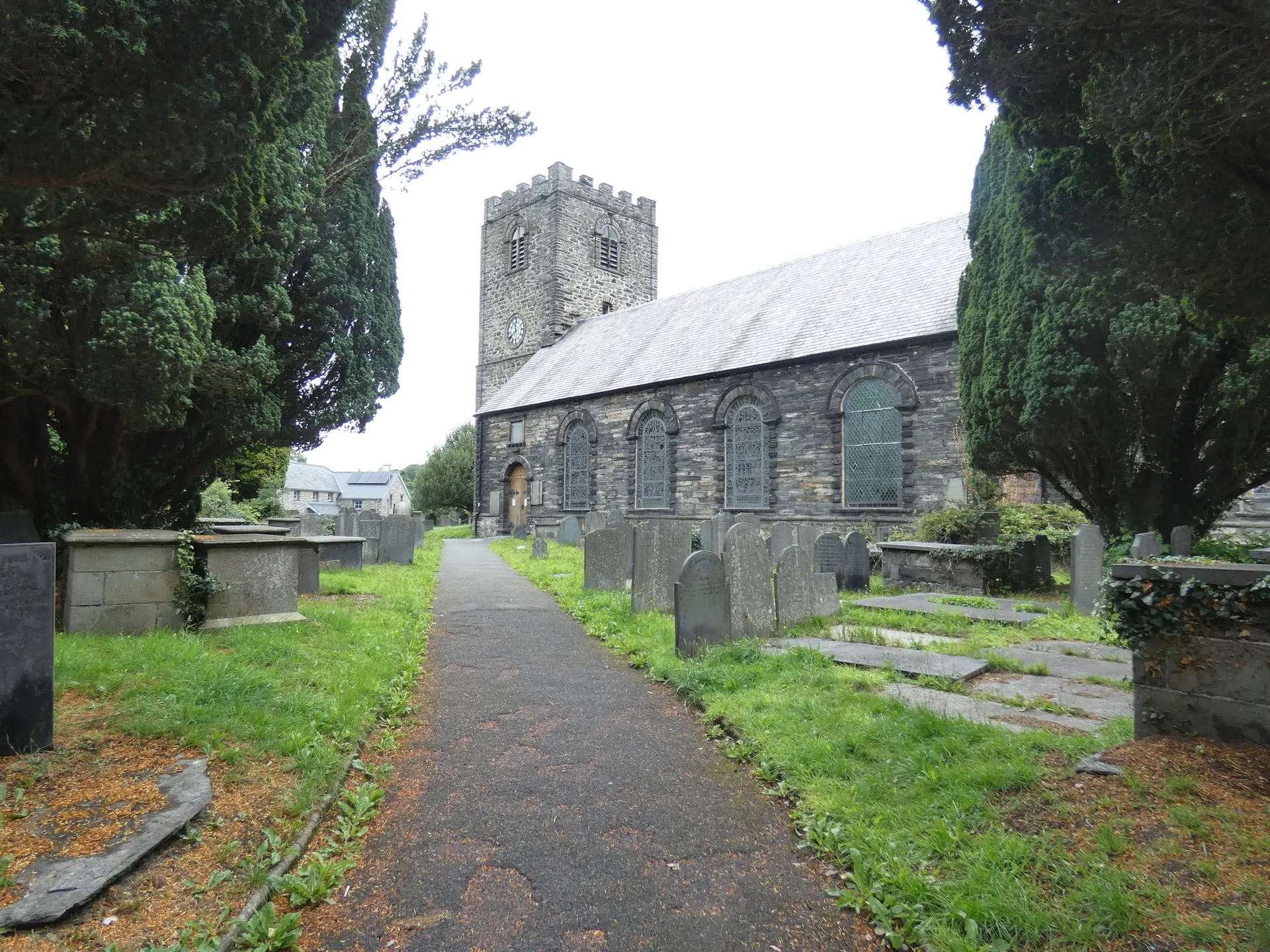
St. Mary’s Church, Dolgellau
Dolgellau, Wales, United Kingdom
4.9 km away

St Cybi’s Well, Llangybi
Llangybi, Gwynedd, Wales, United Kingdom
39.9 km away
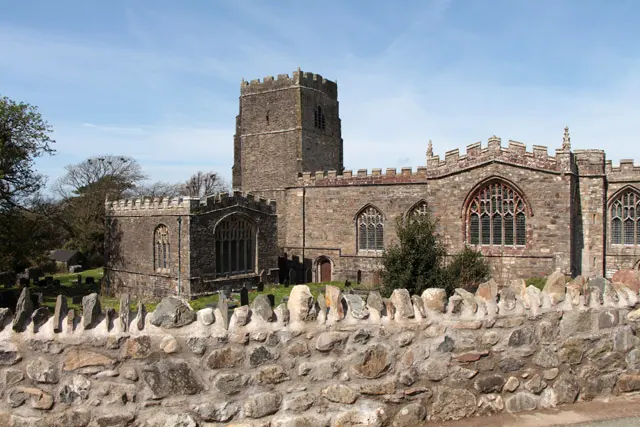
St. Beuno shrine and well, Clynnog Fawr, Wales
Clynnog Fawr, Wales, United Kingdom
42.3 km away
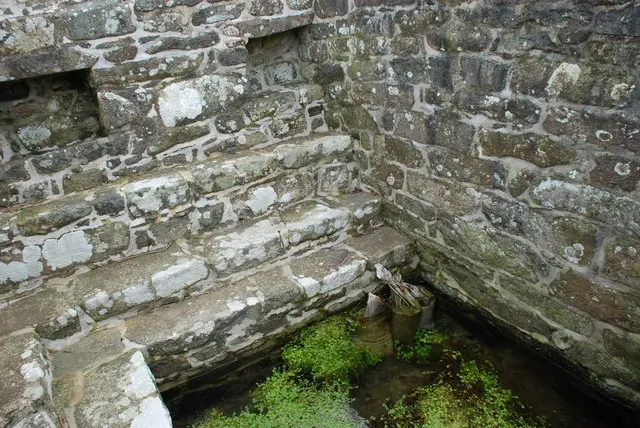
St. Beuno’s Church and Well, Clynnog Fawr, Wales
Clynnog Fawr, Wales, United Kingdom
42.3 km away
References
Sources consulted for this page. Source categories describe the publication, not a guarantee that every claim is verified. Traditional accounts and outside interpretations may differ.
- 01Cader Idris — Encyclopedia BritannicaencyclopediaAuthoritative encyclopedia entry on geography and significance
- 02Cadair Idris National Nature Reserve — Natural Resources WalesofficialOfficial government conservation agency with visitor information
- 03Idris Gawr — Eryri National ParkofficialNational Park official account of Idris the Giant mythology
- 04Minffordd Path — Eryri National ParkofficialOfficial hiking route information
- 05Cader Idris Walk Guide — Visit WalesSource contextOfficial Welsh tourism board walking guide
- 06The Rock of Cader Idris — Felicia Hemans / University of Pennsylvania Digital LibrarySource contextOriginal 1822 poem that popularized the madness/poetry legend
- 07Cader Idris — Peoples Collection WalesSource contextWelsh national collection on cultural heritage
- 08Cadair Idris — WikipediaencyclopediaWell-referenced Wikipedia article covering geology, folklore, and etymology
- 09Idris Gawr — WikipediaencyclopediaDetails on the historical and mythological figure of Idris
- 10Gwyn ap Nudd — WikipediaencyclopediaLord of Annwn and the Wild Hunt in Welsh mythology
- 11Cwn Annwn — WikipediaencyclopediaThe spectral hounds of Welsh mythology
- 12The Legends of Cadair Idris — Land of Legends WalesSource contextWelsh cultural tourism resource on mountain legends
- 13Cadair Idris - Mountain of Madness or Peak of Inspiration? — Inter-CelticblogCultural analysis of the mountain's spiritual significance
- 14The Legends of Cadair Idris — Matthew Trask / MediumblogDetailed mythological analysis
- 15Demon Hounds of Cadair Idris — Strange and TwistedblogCwn Annwn and Wild Hunt folklore
- 16Carreg y Bardd / The Poet Stone — Early Tourists in WalesacademicHistorical analysis of the sleeping legend origins
- 17Cadair Idris via Minffordd Path — AllTrailsSource contextTrail details and visitor reviews
- 18Cader Idris - A Legendary Landscape — Graig WenblogLocal accommodation with cultural context
- 19Cadair Idris: Encountering God in Wales — The Living ChurchblogChristian spiritual perspective on the mountain
- 20King Arthur's Knights - Cadair Idris — King Arthur's KnightsSource contextArthurian legend connections
Photo gallery
3 curated photos
Share a photo
Help visitors recognize Cadair Idris. Every submission is reviewed before publication.